MG Charles R. Hamilton, Assistant Chief of Staff G4 had multiple tours in Korea which positively influenced his career. Over the course of his career, MG Hamilton served as a Company Commander, a Battalion Commander, and the Deputy Chief of Staff C/J4 for United Nations Command/Combined Forces Command/United States Forces Korea.
지상 군참부장 찰스 R. 해밀턴 소장은 한반도에서 수 회 근무한 바 있으며, 군생활에 큰 보탬이 되었다고 한다. 해밀턴 소장은 중대장, 대대장에 이어 유엔사/연합사 군참차장/주한미군사 군참부장으로 근무하였다.
“From my service in Korea (on three separate occasions), I learned in an environment filled with strict standards, deep traditions, and an unmatched culture of generosity and humility.
“세 번에 걸친 한반도 근무 경험을 통해 엄격한 기준과 오랜 전통, 그리고 관용과 겸손이 가득 찬 뛰어난 환경에서 성장할 수 있었습니다.
My first experience in Korea was as a senior First Lieutenant/junior Captain. This assignment to Korea was my first tour overseas and exposed me to different traditions and cultures. I trained alongside the Republic of Korea (ROK) Army on numerous exercises at the tactical point of contact learning the value of communication and teamwork. I also learned to work with a coalition partner with differences that ranged from language to tactics.
한반도 첫 근무는 중/대위때 하였는데, 이는 제 첫 해외파병 근무였으며 다른 전통과 문화를 경험할 수 있는 기회였습니다. 대한민국 육군과 많은 전술훈련을 같이 하며 소통과 팀워크의 중요성을 알게 되었습니다. 아울러 언어부터 전술까지 다른 점이 많은 동맹 파트너와 같이 협업할 수 있게 되었습니다.
My second tour was as a Lieutenant Colonel, Battalion Commander. Korea had transformed since my last tour but the ROK Army and the generous Korean culture had not. The ROK leadership that I had trained with a decade earlier was just as fit, experienced, and disciplined as U.S. Army Soldiers they trained with.
이후 두 번째 한국 파병 때, 중령으로서 대대장직을 수행했습니다. 대한민국은 제 첫 근무 이후 큰 변화를 겪었으나, 대한민국과 그 육군의 따뜻함은 한결같았습니다. 대한민국 군인들의 강인함과 경험, 근무태도 등은 10년 가까이 전에 같이 훈련했던 바 그대로, 미군과 견주어도 부족함이 없을 정도로 잘 벼려져 있었습니다.
My last tour was as the C/J4 at the rank of Brigadier General. This was an extraordinary time in both the United States and Korea’s history. I am particularly proud of the C/J4 staff’s role in meeting the increasingly demanding needs of logistics operations in Korea for both real-world operations and exercises. My tour as the C/J4 served as a culminating event where I used the training, experience, and knowledge gained working with my Korean partners to achieve monumental success across the Korean Peninsula.
마지막 세번째 근무는 준장으로서 연합사/주한미군사/유엔사 군참부에서 임무를 수행했습니다. 연습이나 실제상황에 상관 없이 원활한 작전을 보장하기 위해서는 매일 더욱 뛰어난 군수작전을 펼쳤어야 했으며, 이를 성공적으로 지원한 군참부를 특히 자랑스럽게 생각합니다. 군참부를 이끄는 과정에서 그 간 대한민국 파트너들과 같이 일하며 배웠던 훈련과 경험, 지식 등을 총동원하여 한반도 일대에서 많은 성공을 거두었습니다.
I am very proud of my service in Korea.”
저는 대한민국에서 근무했던 사실을 매우 자랑스럽게 생각하고 있습니다.”


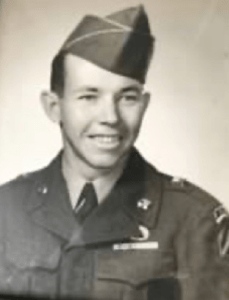 At the beginning of the war, American troops were probably overconfident, and the slogan of “home by Christmas” was popular with the troops. The entry of the Chinese into the conflict changed all that. To this day, Bob has always been complimentary of the Army’s efforts to get a hot Thanksgiving meal to the front lines in 1950. He vividly recalls eating mashed potatoes out of his helmet liner in the rain. To his daughter-in-law in Virginia Beach, he has assured her many times that no matter what food item didn’t turn out “just perfect” for the family Thanksgiving meal, it’s always nicer than his meal in 1950. To this day, Bob has been an easy-to-please, appreciative, nothing rattles him person. His experiences at age 20 gave him a unique perspective for the rest of his life.
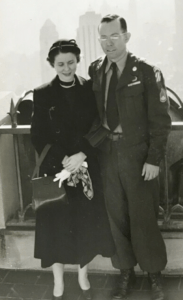 On April 22, the Chinese People’s Volunteer Army began the Spring Offensive, forcing the division to withdraw to positions south of Uijongbu. The division returned to the reserve following heavy losses during this period. In mid-May, the division moved east to assist units defending the central sector. By the end of June, the 3rd Division occupied the Chorwon- Kumhwa Line.
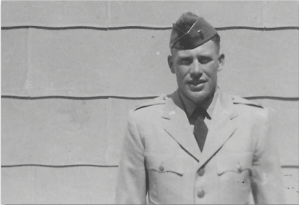 Harry
Harry Brian
Brian
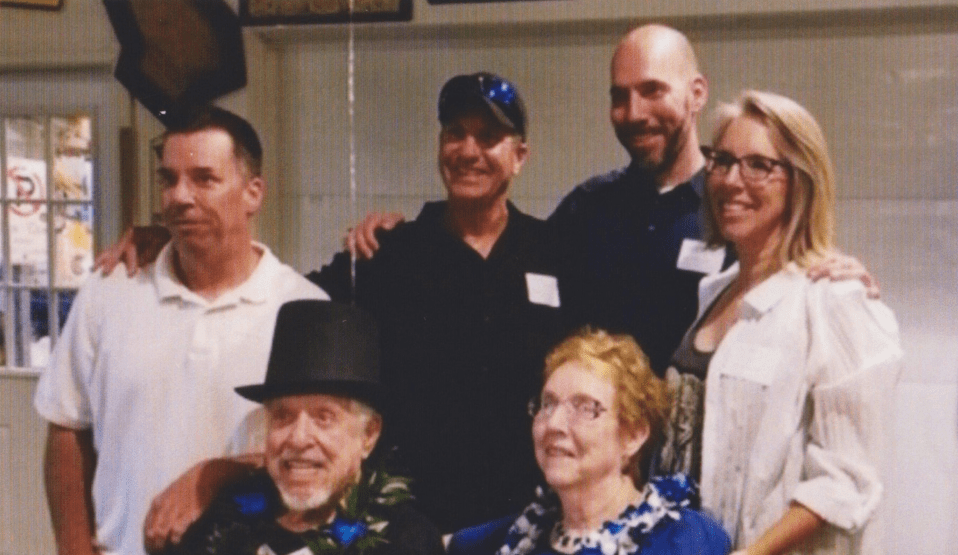
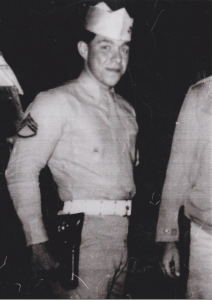 Shortly after North Korea invaded South Korea in 1950, General Douglas MacArthur called for a Division of Marines to mount an invasion at Inchon Harbor. When told the Marines didn’t have a Division, he said “Call up the Reserves”! I got the message by radio to report to active duty at our unit in Pearl Harbor. I was 19 years old.


 English Version:


 Download Full Newsletter: