From My Service in Korea

From My Service in Korea, I Learned – Brian L. Goldbeck

From My Service in Korea, I Learned – Brian L. Goldbeck

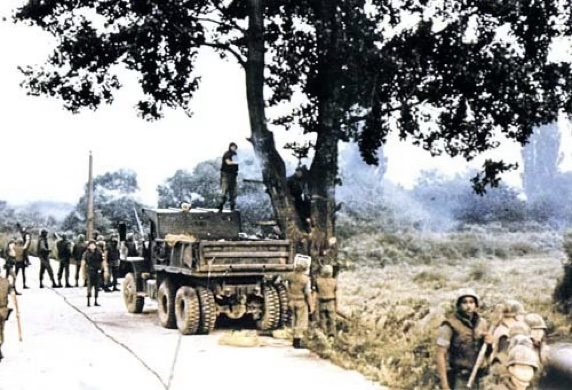
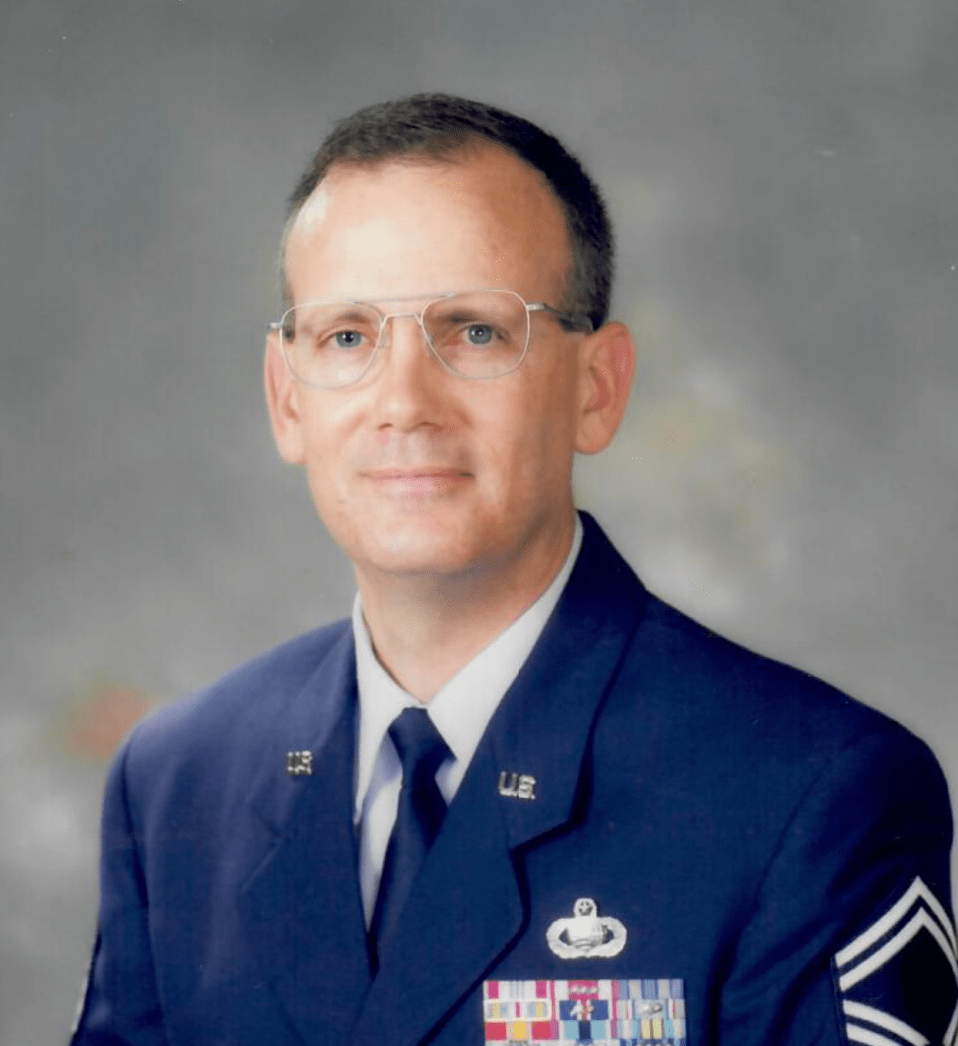
Seems I was destined to serve in Korea even though my first assignment in the mid-1970s was shifted from Korea to Hawaii where I painted rocks.  Almost went again from Hawaii on  “Operation Paul Bunyon” in 1976  when North Korean soldiers chopped up two American officers in the Demilitarized Zone ( DMZ). My next actual assignment to the ROK was as an Army Reserve officer in the 1980’s. On arrival, I was told, “Geez, you’re here already. (Common experience for reservists.) Go away and come back tomorrow.” The next day I was asked if I’d serve on the executive staff of a newly re-activated Military Police Battalion. My reply:  “Sure. I’m a reservist so whatever you want for two weeks.” Tasked with writing some security standard operating procedures (SOPs) over my remaining 12 days, I found another similar  MP battalion, copied their SOPs, tweaked them to fit the new unit’s mission, and was done in two days. Felt like I’d seen the unit’s number before during my personal genealogy search. Sure enough, it had been my father’s unit in Cairo during WWII. Sadly, he passed decades earlier, so I couldn’t share that moment with him. The next year, I was the Deputy J-5 Civil-Military Affairs Officer at Combined Forces Command (CFC) then at Camp Red Cloud. There were two high points.  First, my boss had served in Vietnam. He responded quizzically when I said ,“Welcome Home!,” acknowledging it was the first time anyone had said as much. That’s pretty sad.  The next year I was tasked with locating all historical items in the headquarter (mirror from former President Chun, etc.) and making a handling recommendation (return, move to a museum, send to the U.S. for storage, etc.). Making my rounds, I discovered a closet with a bunch of live, non-deactivated unexploded ordinance – grenades, mortar and artillery shells, mines, etc. After I called ordinance disposal, they cleared the building (that made me a lot of friends and some interesting nicknames) till the bomb disposal unit and carriers could remove them for detonation at a nearby range. Boom! Once, when my car needed to exit onto a busy six-lane city street in Seoul and with buses bearing down on us, a local policeman stepped into the street and snapped a crisp salute.  All/all traffic stopped as we exited. Asking my ROK counterpart about it, he said that since virtually all Korean males then served in the military, that policeman’s gesture was one of “help – I really need this,” and it worked. While our dad’s generation had some of that, today it’s not a very common American experience and thus is no longer a wide-spread bond found in the U.S. beyond those who have served in recent conflicts.

Brian L. Goldbeck

MAJ, USAR Retired

P.S. I’m a retired Senior Foreign Service Officer who served at the U.S. Embassy in Seoul 1984-6 and 2000-3. I was IMA’d to Korea from 1984-1991 (also doing tours with USFK, 8thArmy, etc.) and then USFJ 1991-2002, with 28 years in all between four years active and 24 in the Reserves.  It was a fascinating complimentary straddling of careers.


What did you learn from serving in Korea? Let us know –

Sharing your experiences from serving in Korea can be a powerful way to connect with others who have had similar experiences. By sharing your story, you may be able to help others who are currently serving in Korea or who are preparing to do so. You can share insights about the culture, the people, and the challenges you faced while serving. Your story can also help to shed light on the sacrifices that service members and their families make in order to protect our freedoms. So, if you have a story to share, we encourage you to take the time to put it down in writing and send it to KDVA.MyServiceInKorea@gmail.com along with any photos that help to tell your story.

Your contribution may be just what someone needs to hear in order to feel connected and supported.

Read more

From My Service in Korea, I Learned – Larry Smethers

From My Service in Korea, I Learned – Larry Smethers

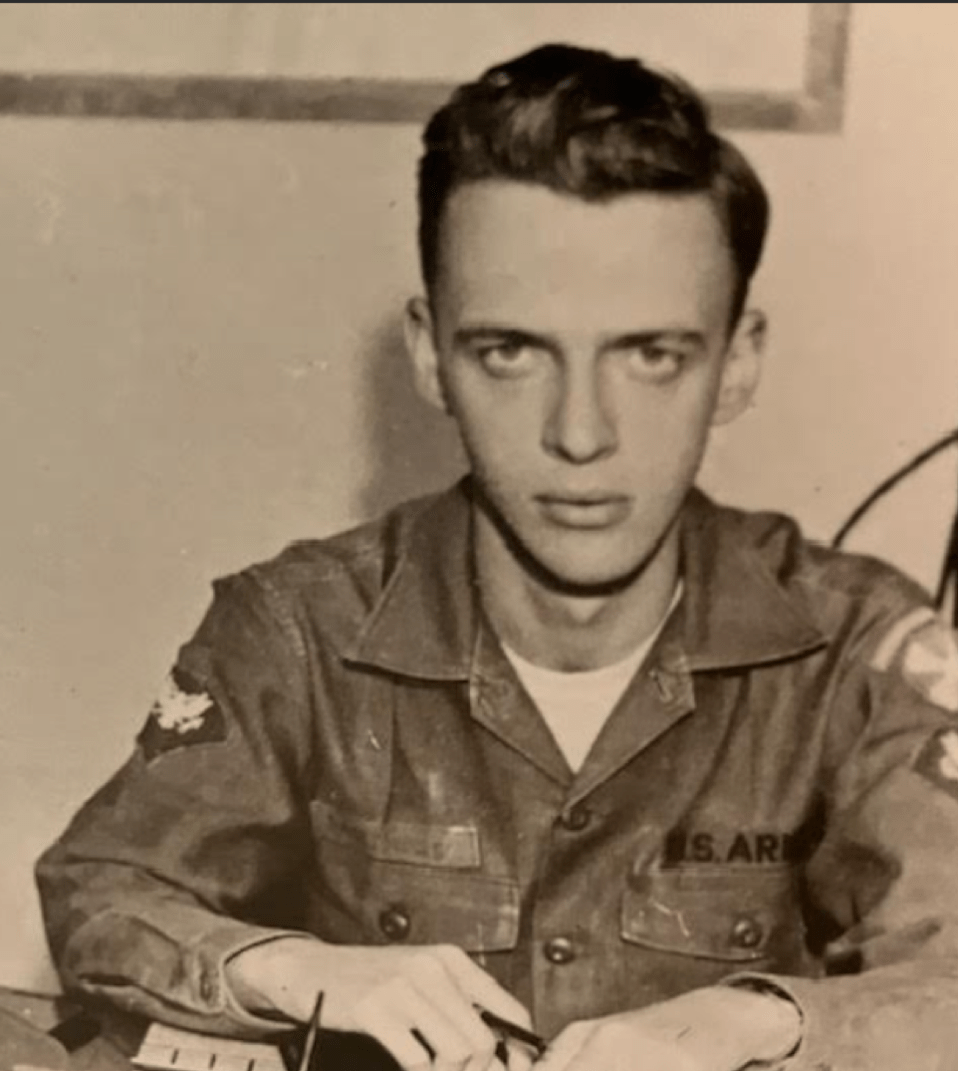
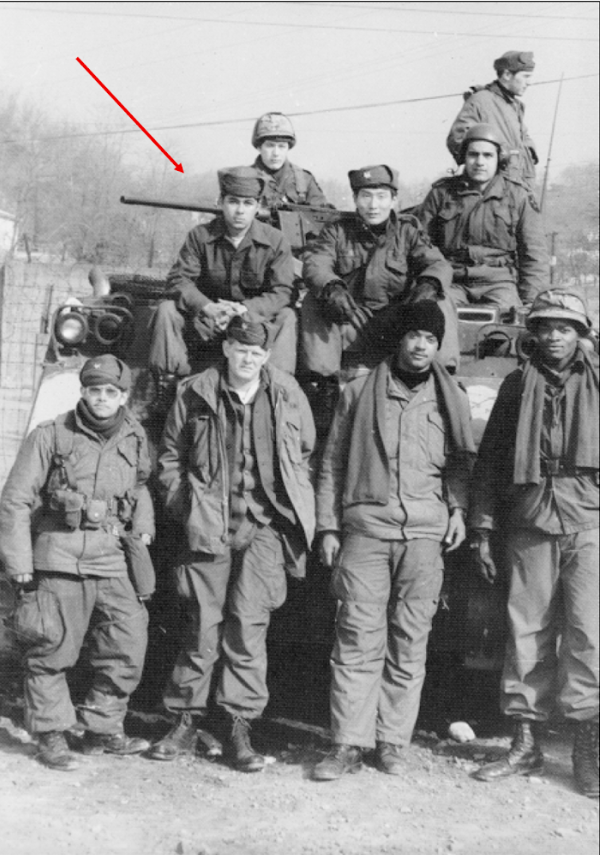
In September 1967, I was drafted into the Army and ordered for basic training at Fort Polk, Louisiana. Fort Polk is near Leesville and Lake Charles, Louisiana.  I signed for an additional year to choose a training program for Army Communications Center Specialists.  After basic training, I was sent to Fort Gordon, Georgia, near Augusta, Georgia.  After completion in February 1968, I received a promotion from private to SP4 with secret clearance and orders to report to Vietnam.

On January 23, 1968, the USS Pueblo ship was captured in international waters off the coast of North Korea by North Korean forces.  My orders and those of my unit were changed from Vietnam to South Korea.  I flew from Fort Gordon, Georgia, to Fort Lewis, Washington, then to Fort Richardson, Alaska.  Fort Richardson is adjacent to Anchorage, Alaska.  In 2010, Fort Richardson merged, with nearby Elmendorf Air Force base to form a joint base, Elmendorf-Richardson.  I flew from here to Tokyo, Japan stopover and then to Kimpo, Air Base, South Korea, 9 miles west of Seoul.  I moved on to the replacement battalion in Ascom City, Korea, to wait for my assignment.  I was assigned to the 6th Medical Depot at Ascom City, Korea in February 1968.

The 6th Medical Depot had several divisions and sections commanded by LTC Earl G. Pepmiller.  There were Headquarters Division, Optical Division, Stock Control Division, Medical Equipment Division, Maintenance Division, Motor Pool, and Unit Supply. The Detachment-Orderly Room was at a separate location from the Depot.  We normally used buses back and forth.  The Detachment area included our living quarters which were Quonset Huts. KATUSA personnel and Korean nationals were assigned throughout all divisions and units of the Depot.  They were very hard and efficient workers and motivated to achieve the mission of the 6th Medical Depot.  The Korean people are very friendly and expressed gratitude for our participation in the defense of their country.

My assignment with the Depot was as S-2/3 Security, Plans and Operations NCO at Depot Headquarters.  I was also in charge of the required Saturday morning training as a training NCO.  I had an office designated “War Room,” which contained a large safe for classified documents that I handled due to my Secret Clearance. Training on Saturday morning included all subjects required by Eighth Army and 65th Medical Group.  After leaving Korea, I received the Eighth U.S. Army Certificate of Achievement Award for performing the duties of an E-7.

There were two mess halls available, one in the detachment area and one at 121 Evacuation Hospital, which was adjacent to the 6th Medical Depot.  I usually ate lunch at this location.  On December 23, 1968, after 11 months of captivity in North Korea, the crew of the USS Pueblo was repatriated to the 121 Evacuation  Hospital located 10 miles west of Seoul at Acom City.  The Pueblo crew was flown by helicopter from DMZ to the helicopter pad at 121 Evac Hospital.  I was one of those to witness this arrival around mid-morning.  As far as I know, the USS Pueblo is still in North Korea as a tourist spot and museum.  I was in Maui, Hawaii around January 17 2018, when someone pushed the wrong button, sending out a false incoming missile alert from North Korea, oops.

In the summer of 1968, at Ascom City, the USO had a show which featured the 1968 Miss Debra Barnes, the Kansas winner from Moran, KS, and other Miss America participants.  Also, that summer, new MPC (Military Payment Certificates) were exchanged from the old issue to the new issue.  You took your old MPC money and exchanged it for a new issue in one day.  After 16 months and 2 days, I departed Korea and reported to HHC 67th Signal Battalion, Fort Riley, Kansas, 5th Army to serve out the remainder of my service.


What did you learn from serving in Korea? Let us know –

Sharing your experiences from serving in Korea can be a powerful way to connect with others who have had similar experiences. By sharing your story, you may be able to help others who are currently serving in Korea or who are preparing to do so. You can share insights about the culture, the people, and the challenges you faced while serving. Your story can also help to shed light on the sacrifices that service members and their families make in order to protect our freedoms. So, if you have a story to share, we encourage you to take the time to put it down in writing and send it to KDVA.MyServiceInKorea@gmail.com along with any photos that help to tell your story.

Your contribution may be just what someone needs to hear in order to feel connected and supported.
Read more

From My Service in Korea, I Learned – David Teichman

From My Service in Korea, I Learned – David Teichman

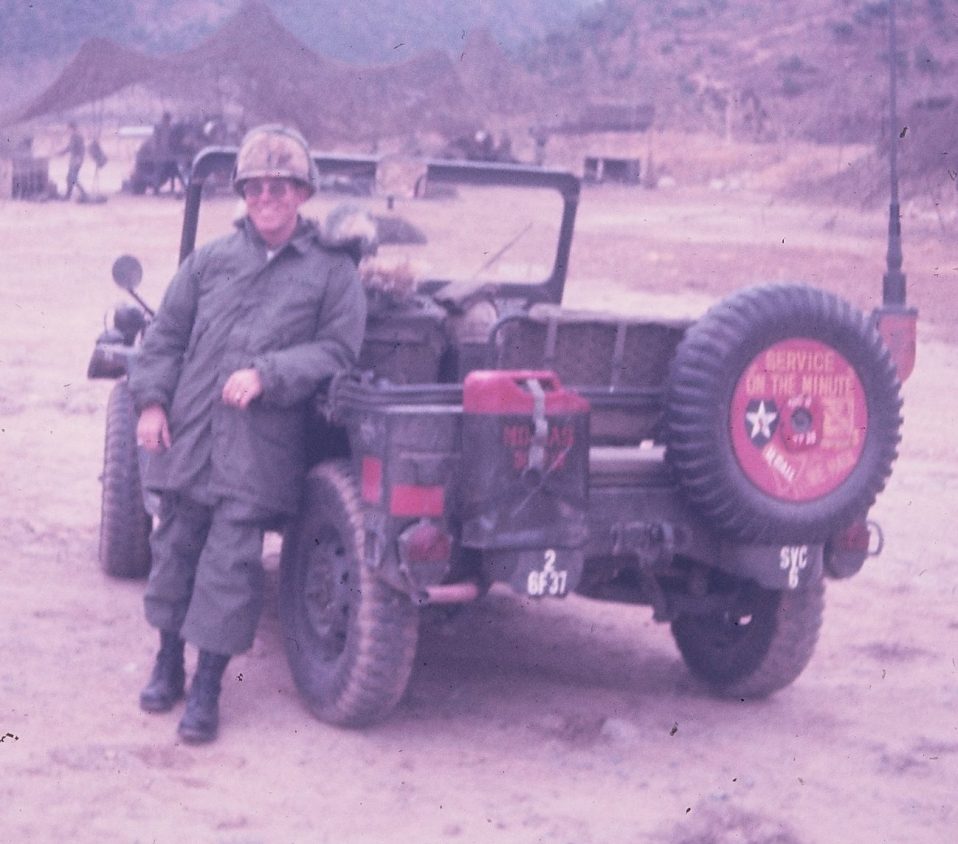
From my service in Korea, I learned just how strong the bond of camaraderie, caring, and concern for your fellow soldier can be. Stationed at Camp Essayons with the 6-37th FA from June 1974 to July 1975, I served as a Captain and the Battalion Motor Officer. My responsibilities included ensuring the readiness of our battalion’s military equipment, a task that required meticulous record-keeping and detailed reporting.

I worked under a battalion commander who was exceptionally detail-oriented and strict, demanding nothing short of perfection. One of my key duties was preparing the monthly 2406 report, which documented the condition status of our military equipment. The report had to be exactly nine pages long, and given the limitations of typewriters at the time, the best we could achieve was an original copy with three carbon duplicates. This meant the report had to be typed twice—for eight copies and an additional time to reach the required nine.

I had a Specialist 4 clerk who handled the typing, carefully ensuring accuracy before I reviewed it. Once I was satisfied, I would take the report to the battalion commander’s Quonset hut, where he would scrutinize it line by line, checking for typos and misspelled words. Each submission was a meticulous process, reinforcing the importance of precision and attention to detail.

During the winter of 1974-75, my clerk fell ill, and for one month, I had to type the report myself. I found myself alone in the battalion motor pool office late at night, braving the bitter cold, with only a five-gallon diesel can heater providing warmth. A blinding snowstorm raged outside as I worked diligently to complete the task.

Suddenly, the door burst open, allowing a gust of snow to swirl into the room. Through the icy blast stepped my fellow captain and hoochmate, Captain Jim Schlesinger. In his hand, he carried a thermos of hot coffee.

Surprised, I asked, “Jim, what are you doing here at this time of night, in the cold, in this blizzard?”

He simply replied, “I knew you were down here by yourself, typing on this antique typewriter, and I thought you might need some hot coffee.”

As he poured each of us a cup, he added with a grin, “I really hope this tastes okay because I couldn’t find a pan to heat the water—so I used Mr. Cho’s starch pot.”

We both had a hearty laugh. Mr. Cho was our houseboy, responsible for laundering, starching, and ironing our fatigues. At the time, heavily starched fatigues were the standard, and Mr. Cho took great care in his duties. The idea of using his starch pot for coffee water was both amusing and oddly fitting given the circumstances.

This unselfish and unsolicited act by Jim made a lasting impression on me. Even decades later, I remember it vividly. It was a simple yet profound reminder of what it means to care for one another. He left a warm, comfortable hooch, braved a blizzard, and traversed a considerable hill—all because he cared about a fellow officer. This moment has stayed with me throughout my life, influencing how I interact with others. His kindness exemplified the deep sense of brotherhood that military service fosters, a lesson I carry with me to this day.


What did you learn from serving in Korea? Let us know –

Sharing your experiences from serving in Korea can be a powerful way to connect with others who have had similar experiences. By sharing your story, you may be able to help others who are currently serving in Korea or who are preparing to do so. You can share insights about the culture, the people, and the challenges you faced while serving. Your story can also help to shed light on the sacrifices that service members and their families make in order to protect our freedoms. So, if you have a story to share, we encourage you to take the time to put it down in writing and send it to KDVA.MyServiceInKorea@gmail.com along with any photos that help to tell your story.

Your contribution may be just what someone needs to hear in order to feel connected and supported.
Read more

From My Service in Korea, I Learned – Charles Webb

From My Service in Korea, I Learned – Charles Webb

My service record in the Air Force was from September 1950 to May 20 1954 during that period of time, I was stationed at Ellington Air Force Base and was starting my navigational training during that period of time, my father passed away, and I withdrew from navigational training because I no longer wish to remain in the service. The reason for my wanting to leave was because my goal had always been to attend law school when I left the service, the cadet training and furtherance of that would have committed me to a far longer term than the four years. Accordingly, the moment I withdrew from cadet training, I was sent to Korea. As soon as I was assigned duties in Korea, based upon my background college and training, I was immediately given the duty of maintaining fifth Air Force headquarter buildings in 61/54 airbase group soul Korea. As part of those duties I was in charge of the billiting For all officers stationed for headquarters. Additionally, my duties included supervision of all Korean employees at headquarters. My reporting officer was colonel Raymond C Boyd. I served in that capacity for seven months and one Zen asked to assume the same position at Osan. That was K 55. I agreed to that position but only, if I was willing to extend my service another six months in Korea. I agreed to that and was ultimately discharged after that service which meant I was released from the Air Force four months early if you need any additional information.


What did you learn from serving in Korea? Let us know –

Sharing your experiences from serving in Korea can be a powerful way to connect with others who have had similar experiences. By sharing your story, you may be able to help others who are currently serving in Korea or who are preparing to do so. You can share insights about the culture, the people, and the challenges you faced while serving. Your story can also help to shed light on the sacrifices that service members and their families make in order to protect our freedoms. So, if you have a story to share, we encourage you to take the time to put it down in writing and send it to KDVA.MyServiceInKorea@gmail.com along with any photos that help to tell your story.

Your contribution may be just what someone needs to hear in order to feel connected and supported.

Read more

From My Service in Korea, I Learned – John Eory

From My Service in Korea, I Learned – John Eory

Yobo seo. I arrived in Korea in October 1970 as a new 2LT and became an infantry platoon leader at North Camp Custer. Despite my graduation from Officer Infantry School at Fort Benning, I was rather unprepared for the reality of this position. I quickly realized that I needed a lot to learn and was in debt to some great NCOs who did the heavy lifting.

All went well until I was suddenly told that in the absence of a more senior officer for the job, I was now the Brigade Adjutant which meant moving to Camp Hovey (a distinct upgrade in living quarters).

What an adjustment. In any event, I performed as well as I knew how while receiving OJT along the way.

I met several military and civilian Koreans during my tour and in so doing learned that our cultural differences and personal stereotypes (which were mutual) broke down as we got to know each other. I realized we were all part of a much larger family, an idea I brought home and have tried to live by.

You never know where you will learn such lessons as I did far away and long ago. Thanks for reading and “Keep Up the Fire.”


What did you learn from serving in Korea? Let us know –

Sharing your experiences from serving in Korea can be a powerful way to connect with others who have had similar experiences. By sharing your story, you may be able to help others who are currently serving in Korea or who are preparing to do so. You can share insights about the culture, the people, and the challenges you faced while serving. Your story can also help to shed light on the sacrifices that service members and their families make in order to protect our freedoms. So, if you have a story to share, we encourage you to take the time to put it down in writing and send it to KDVA.MyServiceInKorea@gmail.com along with any photos that help to tell your story.

Your contribution may be just what someone needs to hear in order to feel connected and supported.

Read more

From My Service in Korea, I Learned – Garry Owen

What I learned from my service in Korea.

From November 2002 to April 2004, I was assigned as an M1A1 Abrams Tank Platoon Sergeant in Blackfoot Troop 4th Squadron 7th Cavalry at Camp Garry Owen near Munsan, Korea. Assigned to Camp Garry Owen, along the Imjin River, we were the most forward-deployed Cavalry squadron in the US Army.

On Christmas Eve night, 2002, we were visited by Ms. Soon Ok Lee. A very soft-spoken, dignified, and appreciative woman. She thanked us for our service on Christmas while far from our homes and families. In 1986, Soon Ok Lee, a supervisor of the material distribution center, was summoned outside to speak to the bureau chief but was quickly whisked away to the train station. She did not return to her family that night. Instead, she was taken to prison, where she endured six years of inhumane treatment.

While in prison, she witnessed the horrendous tortures and mass killings of Christians and could not understand why they stubbornly refused to bend to the government’s demands that they deny their faith. She authored the book “Eyes of Tailless Animals,” which documented her story, and spoke to the US Congress about her experience.

Listening to her harrowing story, I immediately understood why my fellow troopers and I were there on Christmas Eve. Not far from the gymnasium where she spoke was the border where a totalitarian regime had done that to her and countless others. Our now declassified combat mission was to enter the UN Joint Security Area and directly evacuate the UN negotiators as the rest of the 2d Division fell back toward the Hahn River.

Every doorway in the camp was painted with the question, ‘Are you ready to fight tonight?’ We understood that being assigned this close to the DMZ and with this unique mission made our time there not, nor would it ever be a pleasure tour.

The Troop leadership and I regularly attended secret briefings inside the Joint Security Area, where we coordinated and briefed our efforts with the leaders from the R.O.K. Army and US troops assigned to Camp Boniface.

Thankfully, we never had to activate the plan we discussed regularly and prepared for constantly. Had we had to do so, the eyes of the entire world would have been on us. Our life expectancy was short.

The mission was long and arduous, but at its conclusion, I knew what we had accomplished over my 16 months there truly mattered.

South Korea was free.

Cecil H. Greenwell III

(SFC, US Army. ret)

Read more

From My Service in Korea, I Learned – Tony Williams

FROM MY SERVICE IN KOREA, I LEARNED… Tony Williams

March 2002-08 (1-43 ADA & 35TH ADA)

January 2014-18 ( 8TH Army G6)

I served in the active US Army for over 22 years. Over 9 of these years were in the Republic of Korea. I learned leadership lessons at all echelon. I arrived as a PFC and left as a SSG during my first tour and served as a SFC during my second tour.

My first tour introduced me to Korean culture and all of its beauty. I fell in love with the food and extensive history of the nation. I visited many national landmarks, learned to make a few dishes, and began to understand how each soldier has a role to play in how America is perceived. Making friends, as I taught English and emersed into the Korean social life, allowed me to change negative stereotypes by demonstrating Army values in action.

My second tour was at a more senior level. For the first year and a half, I served as the VTC Team NCOIC for the CG and as the NETOPS NCOIC, overseeing the security and infrastructure stability of our network nationwide for the second year and a half. This gave me the opportunity to work with KATUSAs more and interact with the ROKA more. This type of leadership requires the development of people skills and diplomacy.

The scene of teamwork developed over these years has placed Korea in a special place in my heart. There were several events that occurred during my tours to test the resolve of the US-Korea relationship. We always came out of the situations closer than we entered. I have very beautiful memories of Korea and have visited a few times between my tours and plan to return in the future.

Tony T. Williams,  Ed.S., MHA, BA
CW2, LASG
Team Member, Region 7
4th Area Command

[MSG (R), U.S. Army]


What did you learn from serving in Korea? Let us know –

Sharing your experiences from serving in Korea can be a powerful way to connect with others who have had similar experiences. By sharing your story, you may be able to help others who are currently serving in Korea or who are preparing to do so. You can share insights about the culture, the people, and the challenges you faced while serving. Your story can also help to shed light on the sacrifices that service members and their families make in order to protect our freedoms. So, if you have a story to share, we encourage you to take the time to put it down in writing and send it to KDVA.MyServiceInKorea@gmail.com along with any photos that help to tell your story.

READ MORE STORIES HERE.

Read more

From My Service in Korea, I Learned – David Erbstoesser

FROM MY SERVICE IN KOREA, I LEARNED… PFC David Erbstoesser

I walked into the Recruiting Office in Bismarck, ND, and signed up for a 3-year enlistment from 12 June 1962 to 11 June 1965 and then Standby Reserve to the final 11 June 1968. My Army Enlistment started June 12, 1962, and I took Basic Training at Ft Leonard Wood MO until August 17, 1962. I came home on leave and then proceeded to FT Bliss Texas on August 31, 1962-October 26, 1962.

I had orders for Germany, left for Ft Dix, NJ, and arrived there on October 29, 1962. I stayed at Ft Dix, NJ for about 2 weeks and got my orders changed to Korea. I flew to Oakland Army Terminal in California, after a few days to Travis AFB, and on to Hawaii, Wake Island, and Japan. I landed in Korea on November 28, 1962, and was assigned to Battery C, 7th Msl, Bn, 2nd Artillery Air Defense “Hawk Missile Site West of Suwon near the Yellow Sea.

My MOS was 176 Hawk Missile and while there I walked A lot of guards inside the Perimeter Fence as we and infiltrators tried to enter. I did Short Patrols when not on the tactical site and filled sandbags for the MG Emplacement. I Spent 13 Months in Korea. On August 31, 1963, IO was on a short routine patrol, when a land mine was tripped and landed on by another GI, I severely injured my left Ankle. I was forced to march on this foot for about 1 mile in terrible pain, as the Lt in charge said you “SOB there is nothing wrong with you, get up and move”.  I did as ordered. I was 19 years old.

The next day, I was at the 121st Evac Hospital where I got a walking cast. When it was time to take it off, I reported back to the 121st and was turned down as I was 1 day early for my Appointment. Remember I got a ride that was possible and that was at least an hour or more trip, so I went. Well, I did get the cast off after 5 to 6 weeks after I told an SP4 that I wanted to talk to someone with rank other than you or I would go back to the motor pool and cut the cast off myself!!!

I did my duty there and on December 7, 1963, I boarded the USS General William Mitchell for a 17-day trip to San Francisco, CA.

I went back to Ft Bliss, Texas for the rest of my enlistment and was assigned to Battery B, 6th Msl BN 56th Artillery. To Discharge, June 11, 1965.

As an SP-4, I volunteered for Vietnam, and I had the option not to go, but I have the orders in my file on hand today which confirm that I would accompany my unit if deployed. They placed me in a unit from Korea.

I learned a lot in Korea and did my duty under some stressful times. I learned to take orders and respect the service and all those who served and are now serving.

Today the VA takes care of me I am 100% DAV now and enjoying retirement in my 15th year. I am a life Member of these Veterans Organizations: DAV, Amvets, VFW, Vietnam Veterans of America.

I have held office as Commander for the Amvets DAV and VFW. I will be married to my wife for 59 years on June 18, 2025, I have two children, a son and Daughter, 3 grandkids, and 2 great-grandkids.


What did you learn from serving in Korea? Let us know –

Sharing your experiences from serving in Korea can be a powerful way to connect with others who have had similar experiences. By sharing your story, you may be able to help others who are currently serving in Korea or who are preparing to do so. You can share insights about the culture, the people, and the challenges you faced while serving. Your story can also help to shed light on the sacrifices that service members and their families make in order to protect our freedoms. So, if you have a story to share, we encourage you to take the time to put it down in writing and send it to KDVA.MyServiceInKorea@gmail.com along with any photos that help to tell your story.

READ MORE STORIES HERE.

Read more

From My Service in Korea, I Learned – Tracey Huff

From My Service in Korea, I learned… Tracey Huff

I served in Korea from December 2002 to January 2004.  What I learned from serving my country on the Korean peninsula was adaptability and how to work in a high-stakes, fast-paced environment.

I was the Noncommissioned Officer in Charge of Operations at the Pacific Air Force Security Forces Air Base Defense Regional Training Center, better known as “Commando Warrior” at Osan Air Base. I was so happy to have been able to secure a position there and I looked forward to what it entailed.  Cultural awareness and adaptability was something that struck me first off!  Living and working in Korea exposed me to a different culture, customs, and even some language barriers. Of course, working within the security arena of Korea, strategic readiness was a part of my daily job. Korea is a unique duty station due to its proximity to North Korea. I was able to train in high-alert scenarios, reinforcing the importance of being always mission-ready. During theater wide exercises I learned how to understand global military strategy while working in the Headquarters, 7th Air Force Intelligence Cell. My time in Korea gave me a deeper understanding of the U.S. military’s role in global security and the importance of allied cooperation in maintaining stability.

Working with a team of instructors continued to show me that teamwork and camaraderie was instrumental to success. Further instructing Pacific Air Force Security Forces personnel was something I wanted to continue, after my time as an Instructor Supervisor at the U.S. Air Force Security Forces Academy. Serving in Korea meant working closely with both U.S. and Korean forces. I formed strong bonds with fellow Defenders and learned how to operate in a multinational setting. While in Korea, I was also able to volunteer at a local orphanage and myself, and my team, deployed to support potato farmers after a hurricane struck the peninsula.

All in all, I learned so much from my time in Korea. For my one year of service there, I was awarded the Meritorious Service Medal, showcasing my team’s volunteerism and dedication to duty to help protect the people of the Republic of Korea. I owe them everything during this special time in my life and I feel so proud of my service to the people of Korea.


What did you learn from serving in Korea? Let us know –

Sharing your experiences from serving in Korea can be a powerful way to connect with others who have had similar experiences. By sharing your story, you may be able to help others who are currently serving in Korea or who are preparing to do so. You can share insights about the culture, the people, and the challenges you faced while serving. Your story can also help to shed light on the sacrifices that service members and their families make in order to protect our freedoms. So, if you have a story to share, we encourage you to take the time to put it down in writing and send it to KDVA.MyServiceInKorea@gmail.com along with any photos that help to tell your story.


READ MORE STORIES HERE.

Read more

From My Service in Korea, I Learned – Eric Rodley

From My Service in Korea, I learned… Eric Rodley

I was born and raised in California, in the Bay Area. My family moved to Oregon during my freshman year of high school after my father retired from AT&T. I enlisted in the U.S. Army infantry on August 29, 1989. At that time, Ft. Benning was the place to be for basic training as an infantry soldier, it was the home of the infantry. After graduating from basic training and advanced infantry training (AIT) in December of 1989, I took one month of leave. I flew from Portland, Oregon to Seattle, Washington, then to Seoul, Korea on January 14th, 1990.

About one week after arriving in Seoul, I can’t remember how many of us, but about a bus load of us were sent up north to Camp Casey. I was at the “turtle farm” for about two weeks when I was assigned to Charlie Company, 2/503 Infantry, 2nd platoon, Camp Hovey. Camp Hovey was a smaller Army base behind Camp Casey. When I arrived at my assigned unit, the unit was preparing for its rotation on the DMZ, I had arrived at just the right time. Our unit prepared by conducting mock combat patrols during the day and night. One particular night we had to lie in a mock ambush for two hours as if we were on the DMZ, it was so cold. I remember thinking to myself how exciting it was, but how miserable it was at the same time. Once on the DMZ, our platoon’s first phase was the patrol phase. We spent 30 days conducting day recon patrols, then night ambush patrols. One memory I have is the constant sound of North Korean and South Korean propaganda. At that time, the DMZ had very large speakers spread out all over different areas from both the North and South. The speakers were used for each side the blast their propaganda towards each other. I remember one day patrol where we were taking a patrol break, and the North Koreans played their national anthem 75 times in a row. This was driving us crazy but that was the point, the propaganda was meant to annoy and harass each other. The South Koreans played a lot of American music, this too was meant to annoy the North Koreans. Funny story is when I came back to the United States, if I heard a radio playing in the background somewhere, I would always think it was propaganda music, kind of funny.

My time spent in Korea was sort of unique. With 2/503 I did my three-month DMZ rotation from February 1990 to May 1990. At that time, the U.S Army started a reduction in force in Korea. The 2/503 was deactivated around June of 1990 so about a handful of us were sent to 5/20 Infantry (Mechanized) who relieved 2/503 on the DMZ. I was assigned to Charlie Company, 5/20 Infantry when 5/20 was starting their guard post phase. Each unit rotates through three assignments on the DMZ. Each phase on the DMZ is one month, patrol phase, guard post phase, and quick reaction force (QRF) phase. After my rotation with 5/20 on the DMZ we returned to Camp Casey in August. In December of 1990, I was given orders for Ft. Carson, Colorado, but the orders were rescinded due to the first Gulf War in August of 1990. Everyone stationed in Korea after January 1990 was involuntarily extended for an additional year due to the first Gulf war. I stayed with 5/20 Infantry until August 1991 when 5/20 Infantry received the Bradley fighting vehicles. Due to this restructuring, a group of us were given new orders for Alpha Company 1/503 Infantry on Camp Howze.

During my time in Korea, I visited many temples and had the opportunity to witness several traditional Korean weddings. These ceremonies were fascinating, showcasing the deep-rooted culture and pride of the Korean people. It was clear to me that they held a strong respect for their heritage. One of the most striking experiences was seeing the older generation still working in the rice paddies. I watched as elderly men and women carried their farming tools and equipment on their backs, yet they walked just as swiftly as we soldiers did while carrying 50 or 60 pounds of gear. I also had the privilege of speaking with many older Koreans who expressed their gratitude for the U.S. military’s role in keeping their country safe. When I was in Korea in 1990, many of them still remembered the war—some had fought in it, while others had lived through it as children. I often sat in restaurants just outside the base, listening to their stories. I believe they appreciated that a young soldier like me took an interest in their experiences and the history of their country. I found it all truly fascinating.

I have so many memories of Korea, and I wish I could write them all down. I spent eight years in the Army, but out of all the places I was stationed, Korea was my favorite assignment. My time there wasn’t perfect, but it was the best experience I had as a young soldier. I’ve told my family many times that if my only military service had been the two years I spent in Korea, I would have been completely satisfied. I had always wanted to experience an overseas assignment, and choosing Korea was one of the best decisions I made. The U.S. Army no longer patrols the DMZ; after the Cold War ended in 1993, we handed that responsibility over to the South Korean Army. Still, I feel honored to have been part of such a historic mission. In all, my time in Korea was from January 1990 to January 1992. I was honored to take part in a historic assignment at the DMZ, protecting freedom’s frontier along the southern boundary of the Korean Peninsula.


What did you learn from serving in Korea? Let us know –

Sharing your experiences from serving in Korea can be a powerful way to connect with others who have had similar experiences. By sharing your story, you may be able to help others who are currently serving in Korea or who are preparing to do so. You can share insights about the culture, the people, and the challenges you faced while serving. Your story can also help to shed light on the sacrifices that service members and their families make in order to protect our freedoms. So, if you have a story to share, we encourage you to take the time to put it down in writing and send it to KDVA.MyServiceInKorea@gmail.com along with any photos that help to tell your story.


READ MORE STORIES HERE.

Read more