From My Service in Korea

Deirdre Flynn Harrison – From My Service in Korea, I Learned …

Deirdre Flynn Harrison

1985-1986

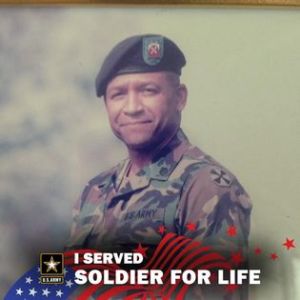
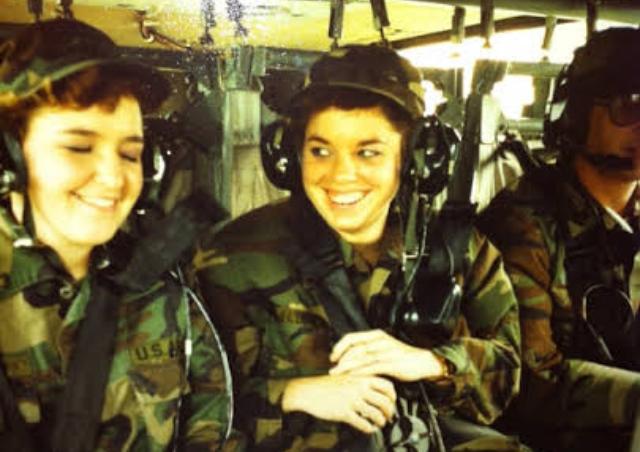
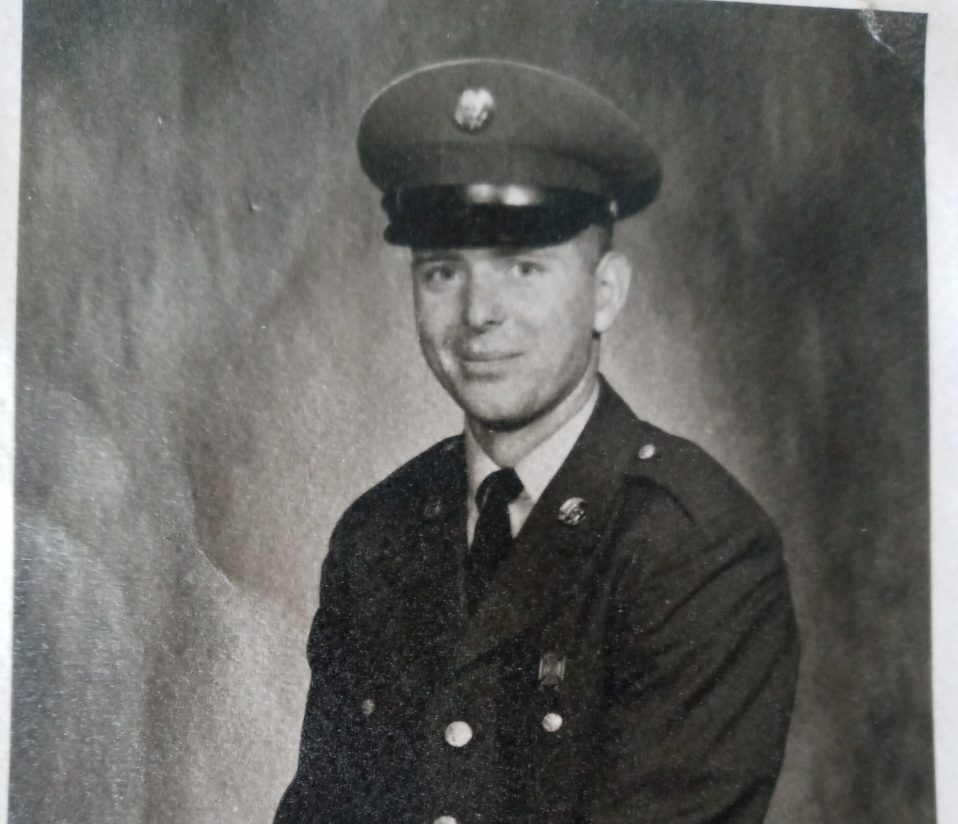
I received my orders to Korea in September 1985. My first emotion was shock because I didn’t even know we still had troops stationed in Korea. The only thing I knew about Korea was what I saw on the tv show MASH. I had no idea of what to expect, so Korea was a blank canvas to me and I went with an open mind and heart.

I was assigned to Camp Stanley and Camp Red Cloud. At first, I was in culture shock. The conditions in Uijongbu were a little rough but as time went on I saw that living conditions for the locals weren’t that easy either. Even though the local Koreans didn’t live in the best of conditions I found them to be happy and hard working. Most of us were young and the older Koreans took us under their wings and helped us along our paths in Korea. They made us feel welcome and sometimes like family. I learned that Koreans were very kind people and the younger people were fun and they showed us around and teaching us some Korean customs and culture. Mostly KATUSA’s taught us.

I noticed that changes were happening in Seoul. Seoul had modern amenities. The were really building up and getting ready for the 1986 Asian Games. You could just tell that Korea was on the precipice of something really big. Never in my wildest dreams did I think that the little old Korea would grow up to be such a powerhouse. I shouldn’t have been surprised at all the progress that I witnessed when I revisited Korea in 2021 because I learned that Koreans were industrious, hard working people with plenty of dreams of a better South Korea. I learned from Koreans that adversity can make you resilient and stronger in every way.

I also didn’t know anything about the Korean War. I learned so much about the history of Korea when I was stationed there and even after I moved on to different duty stations and life I learn more about Korea. Whenever an opportunity presents itself for me to give a lesson about Korea I embrace it and make others excited about learning about Korea too. I love to share what I have learned about Korea to others.


What did you learn from serving in Korea? Let us know –

Please email us your story and photos to KDVA.MyServiceInKorea@gmail.com.

READ MORE STORIES HERE.

Read more

John Romias – From My Service in Korea, I Learned …

John Romias

4/1954 – 8/1955

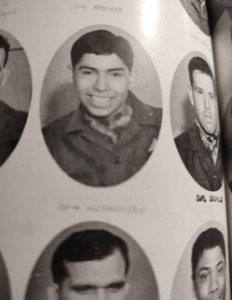
I enlisted into the U.S. Army in October 1953 after graduating from St. Anthony High School on the island of Maui, HI, to get the benefits of the GI Bill.

After completing basic training at Aberdeen Proving Grounds in Maryland, I attended and completed the Automotive Fuel and Electric System Repairman Course. I completed the course in April of 1954 and was then deployed to South Korea.

After arriving by troopship in Japan, I was flown from Tachikawa Air Force Base to Kimpo Airbase near Seoul. I arrived at Yong Dong Po Replacement Center, near Incheon, and was then assigned to the 538 Engineer Field Maintenance Company in Dong Duchon, across the river from Camp Casey.

Our company supported the United Nations forces with the upkeep of all types of heavy and light diesel and gasoline engines, such as caterpillars and tractors. My duty was with the Small Gasoline Engine Shop. Our responsibilities were to repair and maintain gasoline engines that powered generators and produced electricity for various companies. Training ROK soldiers to fix gasoline engines was also part of the company’s duties.

After serving in Korea for 16 months, the regular tour, I was reassigned to the Automotive School at Fort Ord, California. On September 13, 1956, I was honorably discharged with the rank of Sp3(T).

For serving my country, I was awarded the National Defense Service Medal, U.N. Service Medal, Korean Service Medal and the Good Conduct Medal.

On a “Revisit Korea Program” in September 2019, I was awarded the “AMBASSADOR FOR PEACE “ medal.

Kim Soon and me, 1955

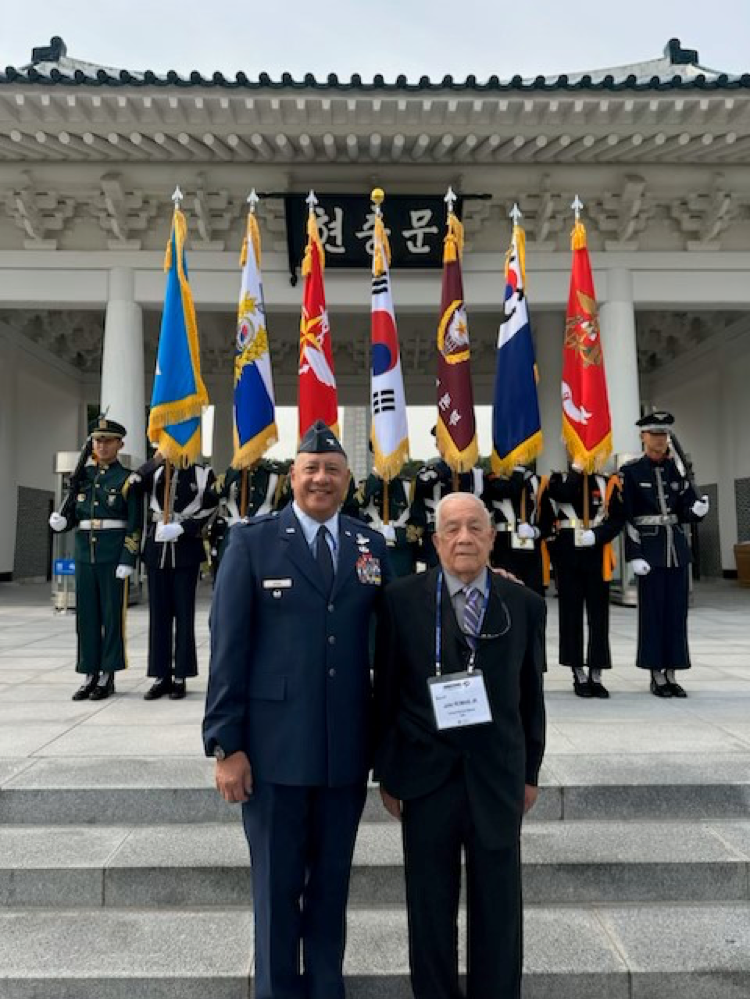
John Romias (Right) and his nephew, Retired USAF, Col. Ryan Orian (Left) at the KDVA Korea Revisit Program 2023.


What did you learn from serving in Korea? Let us know –

Please email us your story and photos to KDVA.MyServiceInKorea@gmail.com.

READ MORE STORIES HERE.
Read more

MG William Thigpen – From My Service in Korea, I Learned …

MG William Thigpen

The value of teamwork and “what right looks like”

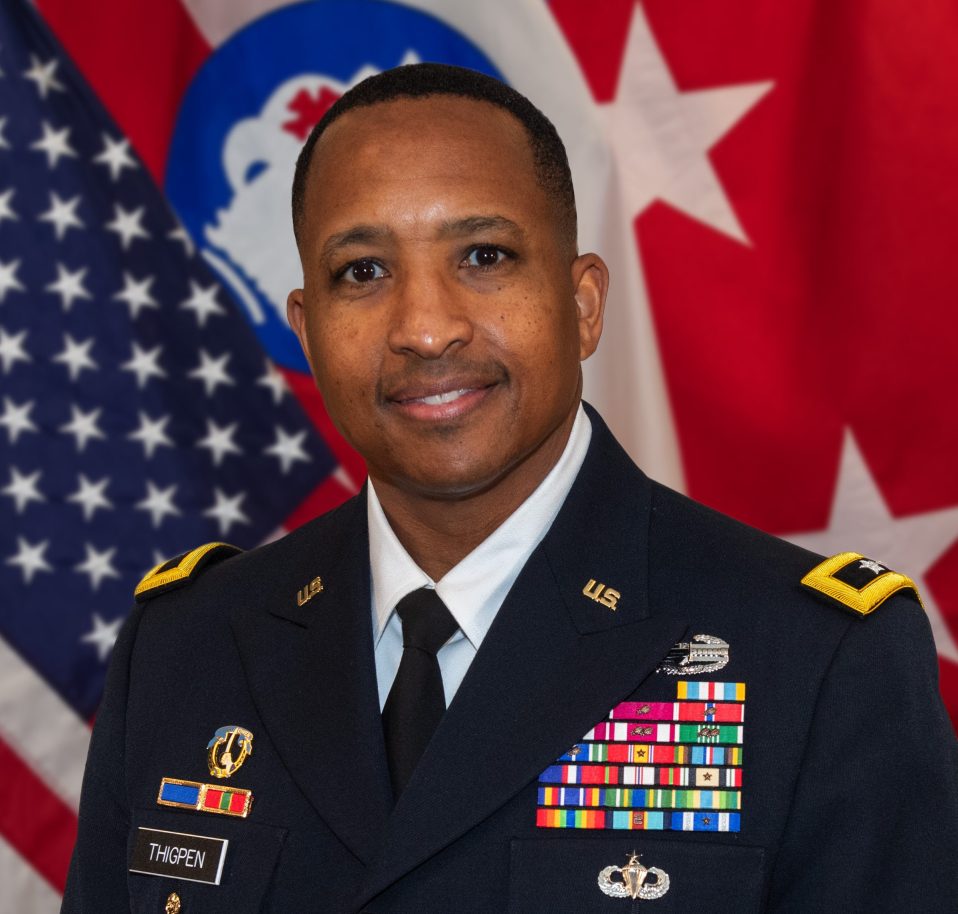
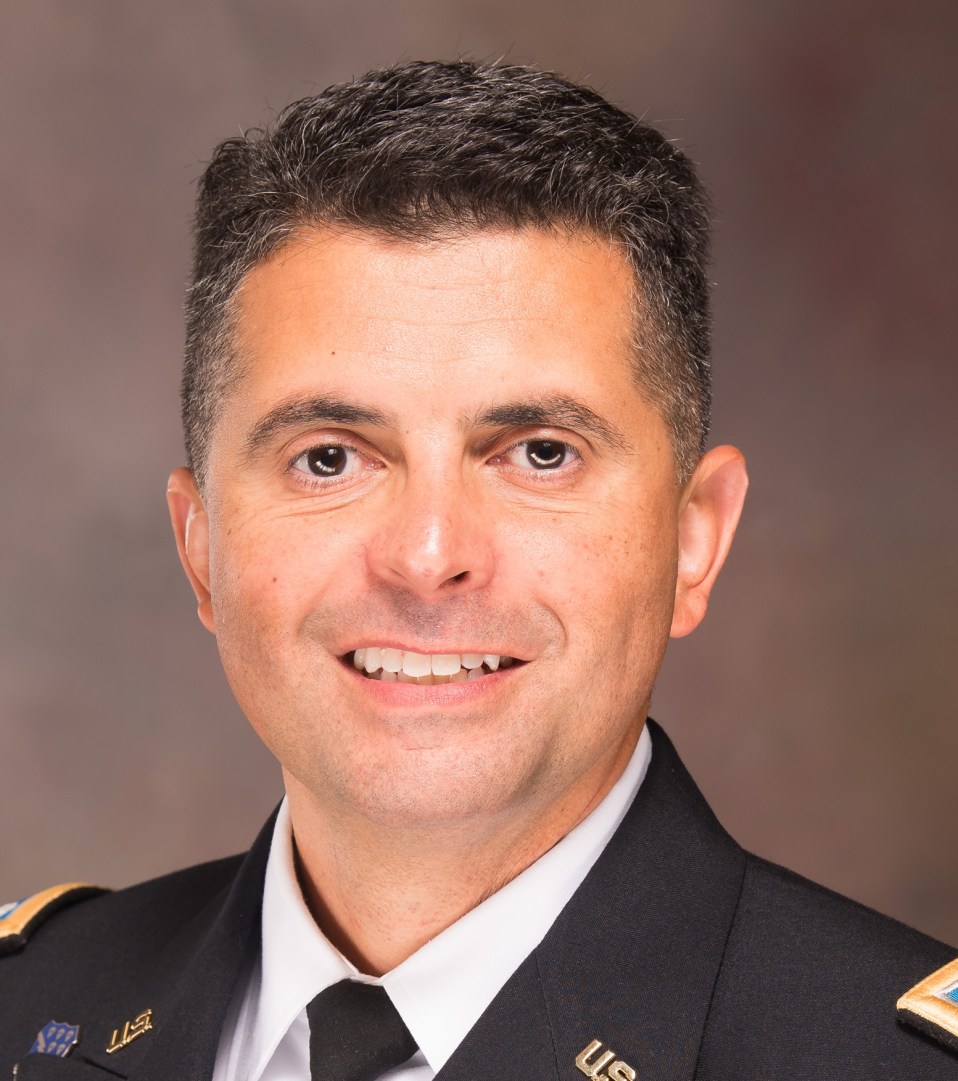
MG William Thigpen, U.S. Army South Commander, served in the Republic of Korea as a tank and mortar platoon leader in the 2nd Infantry Division 1992-1994.

From my service in Korea I learned… The value of teamwork and “what right looks like” which formed the foundational base for the 29+ years of my service.

Additionally, it was my first active duty assignment and provided me an opportunity to immerse myself in another culture for the first time. I will always look back at my time in Korea with fondness for its people and traditions.

My Korea experience also afforded me an early broadening opportunity. Being able to work with our outstanding Republic of Korea partners during a formative time in my military career was a phenomenal experience and instrumental to my development as a junior officer. Training in Korea instilled the importance of readiness early in my career and gave me a deep appreciation for sustainment operations during field training exercises often occurring in difficult terrain and inclement weather.

I am truly proud of my service in Korea.


What did you learn from serving in Korea? Let us know –

Please email us your story and photos to KDVA.MyServiceInKorea@gmail.com.

READ MORE STORIES HERE.

Read more

Staff Sergeant Allen Wheeler – From My Service in Korea, I Learned …

By Staff Sergeant Allen Wheeler

From My Service in Korea, I learned…

My name is Allen Wheeler and when I was in Korea from 1966-1968 I learned that it is a or was a very roughed country and the people were poor but very friendly for the most part.
I was drafted out of high school and had very little time to do much of anything other than party with my friends till I left.
I went to Fort Knox Kentucky for basic training and from there to Fort Bliss for Hercules training. When I got my orders it said Korea Hawk Missile unit, I said what are Hawk missiles? I found out when I got there. I had the same MOS 16D launcher crewman.
I spent the next 18 months there and learned a lot about their country and lives. It was sad that the war took so many lives. I took a 3-day pass when I could and saw some of the country. It was very pretty in some areas and some not. When I got home, I did not want much to do with the military, I was out for a while, and then I got a call from a friend to join the Michigan Nation Guard. I ended up with 23 years and retired as an E6 first cook and I loved it. I got two Korean Service Medals.

What did you learn from serving in Korea? Let us know –

Please email us your story and photos to KDVA.MyServiceInKorea@gmail.com.

READ MORE STORIES HERE.

Read more

Sgt. 1st Class (Ret.) Vincent L. Abril – From My Service in Korea, I Learned …

By Sgt. 1st Class (Ret.) Vincent L. Abril

“Cultural connection beyond the big picture”

From My Service in Korea, I learned why the ROK-US alliance has remained so strong since the Korean War. I felt accepted and loved through the many military and civilian relationships I built over three tours, totaling eight years of service on the peninsula. I learned to embrace and love Korean culture. I learned firsthand how the resilience and determination of the Korean people led them to become one of the world’s economic powerhouses and exporters of culture through music, film, and food. I also learned so much about myself through interactions with military and civilian friends and family who accepted me as one of their own.

My journey to Korea began in Puerto Rico in 1999 when a huge opportunity knocked at my door at the San Juan Military Entrance Processing Station (MEPS) when an army career counselor told me I could serve in Korea after committing to joining the active army. I could not believe my ears. I had heard so much about the Korean War from elders on the island who served in the 65th Infantry Regiment during the war. I was overwhelmed with excitement, so I signed a contract that day to seal the deal.

I arrived in Korea for my first assignment with the 20th Support Group in Daegu. A couple of months later, I was sent to the port city of Busan, as I joined the 4th Quartermaster (Airborne) Detachment, where I served for over two years as a maintenance foreman working exclusively with Korean Nationals. During this time, I met my wife through my platoon sergeant. She was a Korean National employee herself, working for the Morale Welfare and Recreation (MWR) division on base. After tying the knot, we spent the remainder of our time traveling across the peninsula before receiving orders to Heidelberg, Germany.

Fast forward seven years, and we received orders back to Korea in 2010. This time, I returned to Korea with my own little family. I was assigned to the 2nd Combat Aviation Brigade, where I traveled the peninsula, covering stories about the successes of our servicemembers and the ROK-US alliance as the brigade’s public affairs manager. During this time, our son was born. My wife worked as a bank manager on base, and we both immersed ourselves in the Korean and military communities before departing in 2014 to Fort Bliss, Texas.

While in Texas, we missed Korea very much. To our surprise, my branch manager offered us another opportunity to serve in Korea. Without hesitation, we made it official and landed right back to where it all started in Daegu. I was assigned to the 19th Expeditionary Sustainment Command, serving as the commanding general’s public affairs manager for two years before finally being approved to retire from the army.

Julie and I moved our family to Suwanee, Georgia, in 2019 after retirement to be close to a large, vibrant Korean community where we enjoy the best of both worlds. When I look back on it all, Korea has played a significant part in my life. When we say “Katchi Kapshida,” some may take it as another cool phrase, but we lived it every day where the rubber meets the road with our military and civilian counterparts and family members. Whether living in a highrise apartment forging relationships with our Korean neighbors or sleeping in a tent together during military field exercises, indeed, “We Go Together.” We are beyond grateful for the opportunity to be a part of history as we lean forward in the foxhole together, deterring aggression and maintaining an alliance that has remained incredibly strong for over 70 years.


What did you learn from serving in Korea? Let us know –

Please email us your story and photos to KDVA.MyServiceInKorea@gmail.com.

READ MORE STORIES HERE.

Read more

CSM(Ret.) Diahann J. White – From My Service in Korea, I Learned …

Command Sgt. Maj. (Ret.) Diahann J. White

“Unveiling the Lessons of Diversity and Camaraderie”

“From My Service in Korea, I Learned … Unveiling the Lessons of Diversity and Camaraderie”
Throughout my military journey, I devoted a total of three and a half years to two tours in Korea, each marking significant milestones in the arc of my service. These periods were woven with a tapestry of life events, ranging from weddings, funerals, celebrations of birth, promotions, to educational achievements. My time in Korea not only granted me invaluable insights into cultural understanding but also opened my eyes to a broader perspective on life beyond the borders of the United States.
During my initial assignment at Camp Humphreys, serving at the 43rd MASH, I embarked on my journey as a Private First Class, bearing witness to the historic hospital portrayed on television. This environment nurtured genuine camaraderie, with my leadership actively encouraging exploration of the country through visits to the zoo, orphanage, and a Soldier’s excursion to Cheju Island. Despite language barriers, working alongside KATUSAs daily emphasized the significance of unity.
Twenty-six years later, on my final tour as the Hospital CSM of the 121CSH and Brian Allgood Community Hospital, I embraced multifaceted roles as a Soldier’s spouse, a mother, and a leader. In this capacity, I took on the responsibility of fostering morale and camaraderie, ensuring a fulfilling experience for both my family and the Soldiers and Civilians under my command.
A standout initiative in this pursuit was the creation of the “triple threat” program, challenging individuals to cultivate Personal, Professional, and Partnership with the “Pen” for the minimum 525,600 minutes they were assigned. Collaborating with my ROK peers, we bridged the gap among the KATUSAS and Soldiers. Concurrently, I had the privilege of managing the inaugural security cooperation program for USFK, forging an enduring partnership with our ROK counterparts across different branches. Immersed in the local culture, my family seamlessly embraced the challenges I presented at work, enriching our shared experiences. Notably, I led eight HS Girl Scouts to the 16th Girl Scouts International Camp in South Korea, a remarkable undertaking that further deepened our cultural immersion.
The lasting friendships and acculturation cultivated during these experiences stand as indelible reminders of the profound truth that genuine understanding of a culture is attained through immersive engagement.
Read more

COL Chris Martinez – From My Service in Korea, I Learned …

COL Chris Martinez

“The Gift of Generational Freedom”

I had the great fortune to serve in the Republic of Korea (ROK) twice during my military career. In 1998, I was assigned to the 102nd Military Intelligence (MI) Battalion (BN) at Camp Essayons in Uijeongbu. Although the unit and the installation no longer exist, the organization took great pride serving in the Alliance, which at the time, was the most forward deployed MI BN in the U.S. Army.

Fifteen years later, I returned to the ROK and was afforded the opportunity to serve in Seoul. Unlike the previous assignment, I was married with children. I took advantage of the experience, sharing the value of service to one’s nation and our family’s legacy on the peninsula with my spouse and children. I recall researching and revealing my grandfather’s service during the Korean War to my son Preston who was three years old at the time. I disclosed heroic stories about my grandfather – a senior noncommissioned officer and infantryman who experienced some of the fiercest fighting in the Iron Triangle before the Armistice was signed on July 27, 1953.

With Preston so young, I thought he would benefit from visual cues to reinforce the values, stories, and lessons I tried to instill in him. As a result, I frequently took him to visit the War Memorial of Korea in Seoul. Although called a Memorial, it is a remarkable museum with a tremendous exhibition of historical relics and records related to many wars fought in Korea and abroad. It is absolutely grand. Although it is possible to walk all the indoor and outdoor exhibits in a day, it’s nearly impossible to stop at every display and fully appreciate its significance in one visit. Hence, Preston and I visited the Memorial about once a month, each time discovering new treasures.

During our visits, I gained an appreciation what I call “The Gift of Generational Freedom.” Words cannot express how special it was to experience the freedom of walking through the Memorial with Preston, holding his hand, and sharing with him the experiences of my grandfather on the same hollowed grounds he bravely fought on 60 years earlier. On one occasion, Preston and I had the opportunity to visit the Memorial with my father and brother, an Army Lieutenant Colonel retired and National Guard Lieutenant Colonel respectively. On that very special day, three generations experienced the “Gift of Generational Freedom,” honoring the legacy of my grandfather’s service and the powerful Alliance he contributed to that stands ready to deter aggression and defend the Republic of Korea today.

On that day, we discovered a magnificent outdoor exhibit titled The Clock Tower of Peace. It is a remarkable 15-foot bronze statue. From its base stands a tower of military rubble from the Korean War consisting of damaged tanks, artillery pieces, vehicles, and vessels. Atop of the pile are two young girls, possibly sisters torn apart by the war, each holding a clock. One girl stands strongly, holding a clock on her shoulder that displays the current time. While the other girl lays weakly on the pile, reaching for her sister with one hand while sorrowfully resting her arm on the other clock. Her clock is cracked and lies still at 4:00, June 25, 1950 – the date and time The Democratic People’s Republic of Korea (DPRK) invaded the ROK.

Initially, the exhibit struck us as a stark and dreadful reminder of how the Korean War separated thousands of families, most of whom have not reunited in 70 years. These families remain deprived of “The Gift of Generational Freedom” – the very gift I experienced with three generations of my family on that special day. But as we examined the exhibit more closely, we realized it was not complete. Several meters from the base of the tower, sat a third clock, identical to the two on the tower. It was in pristine condition, protected in a glass case, and resting at 4:00 with no date. On the day of reunification, the sculptor will complete the exhibit by raising the third clock to the top of the tower, replacing the broken one and synchronizing the two aloft in perpetuity. The exhibit, in its entirety, is a symbol of hope for when Korea will be made one and its families made whole – whole to experience “The Gift of Generational Freedom.”


Gifts are not free nor should we take them for granted. Service Members, like my grandfather, paid the price in blood and treasure 70 years ago so we can experience “The Gift of Generational Freedom” today. In total, 36,516 U.S Service Members gave their last full measure of devotion for freedom on the Korean peninsula. Their service mattered and we must not forget them. From my assignments in Korea, I learned the best way to honor their sacrifice is by ensuring our service  – as individuals and an Alliance – preserves and strives to afford every man, woman, and child the opportunity to experience “The Gift of Generational Freedom.”


Read more

Mr. Rick Bogusky – From My Service in Korea, I Learned …

Rick has over four decades of military and national security experience.  He served 24 years on active duty with the US Army as both an artillery officer and foreign area officer (FAO).  As chief of the Korea Division at the Defense Intelligence Agency he led an Agency-wide task force focused on North Korea during the first nuclear crisis in the mid-1990s.  During his Headquarters-level assignments at the Pentagon as well as in Korea and Hawaii, Rick was responsible for executing regional and bi-lateral engagement plans for the military and providing regional subject matter expertise to the Army Chief of Staff and respective Headquarters leadership.

As part of a US Army War College fellowship, he spent a year at the Korea Institute of Defense Analysis in Seoul, Korea where he did research on future security challenges to the United States in Northeast Asia.  He is a graduate of West Point and received his graduate degree from Campbell University.

Following retirement from the Army in 2000, Rick spent 20 years in the private sector, initially managing a small international business with offices in the US and Vietnam before joining CENTRA Technology, Inc. in 2001.  He helped grow CENTRA from a small business of approximately 40 personnel to over 800 with a focus specifically on the defense and intelligence business lines, retiring in late 2020 as Senior Vice President. Rick and his wife, Joanna, now enjoy spending time with their grandkids.


Read more

Colonel (Retired) Norm Spivey – Video Interview

US Army Colonel (retired) Norm Spivey served three tours in Korea including battalion command from 2012 to 2014. He currently works within the missile defense enterprise.

From my service in Korea I learned “Katchi Kapshida,” is more than just a catchphrase to describe a strong military alliance.  The phrase can also be used to describe the unity and loyalty of the Korean people.

During my three tours spread over nearly a twenty year span, I witnessed firsthand how the values of stability, hard work, loyalty, and respect play a central role in Korean society.

It is very evident how these values enabled what many call the “Miracle on the Han”. Korea’s many economic and security related successes are a true testament to the hard work, loyalty and resiliency of the people.

Watch Interview

Read more

COL Joseph C. Holland

Read more