From My Service in Korea

Daniel McPharlin – From My Service in Korea, I learned…

From My Service in Korea, I learned…

Daniel McPharlin

7th Infantry Division, 1st Battalion 31st Regiment HHC Recon platoon
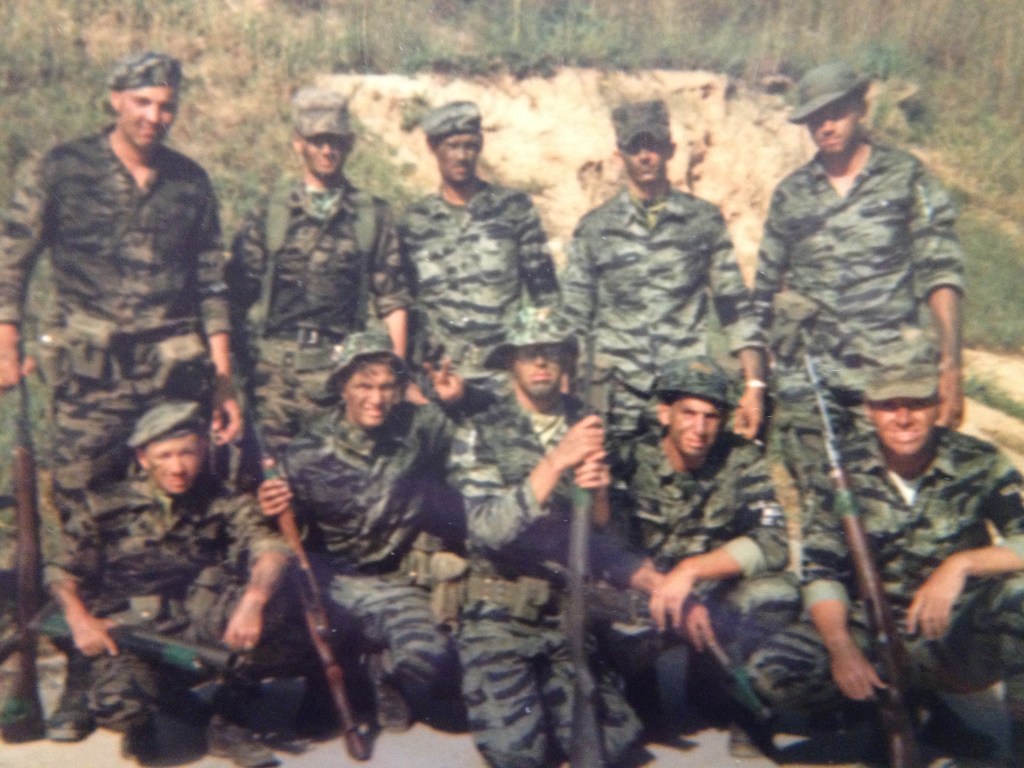
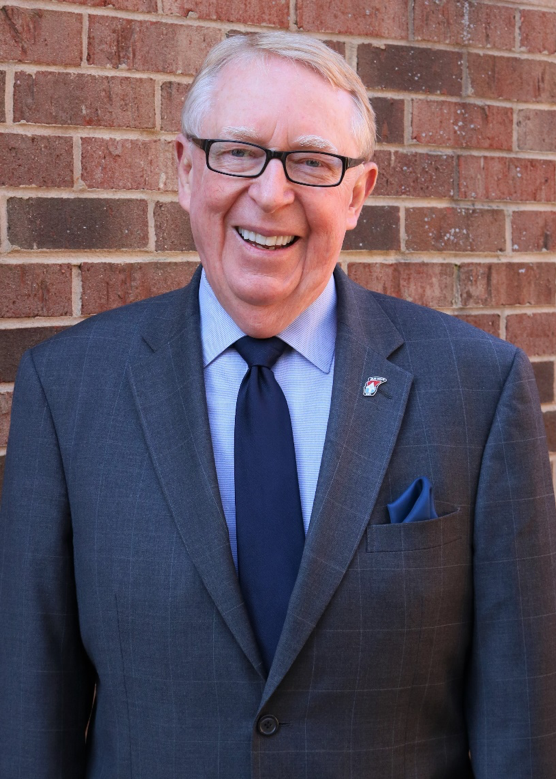
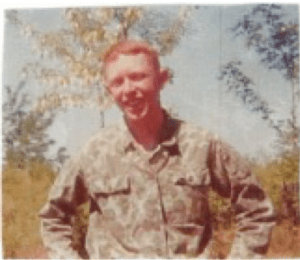
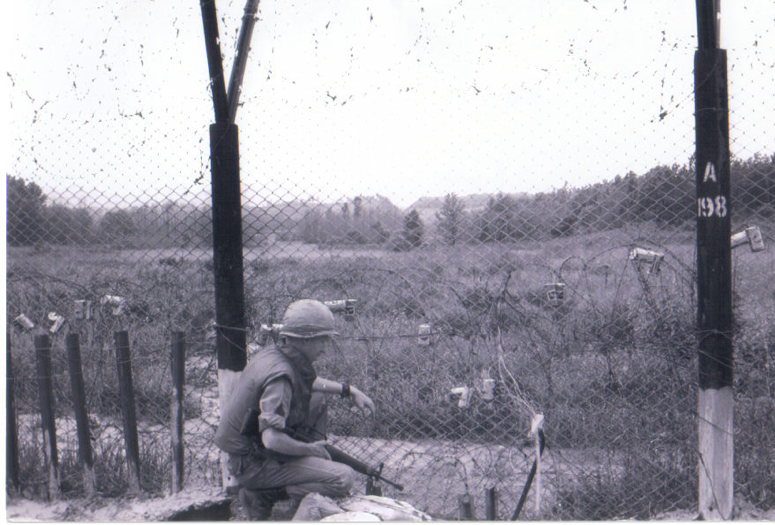
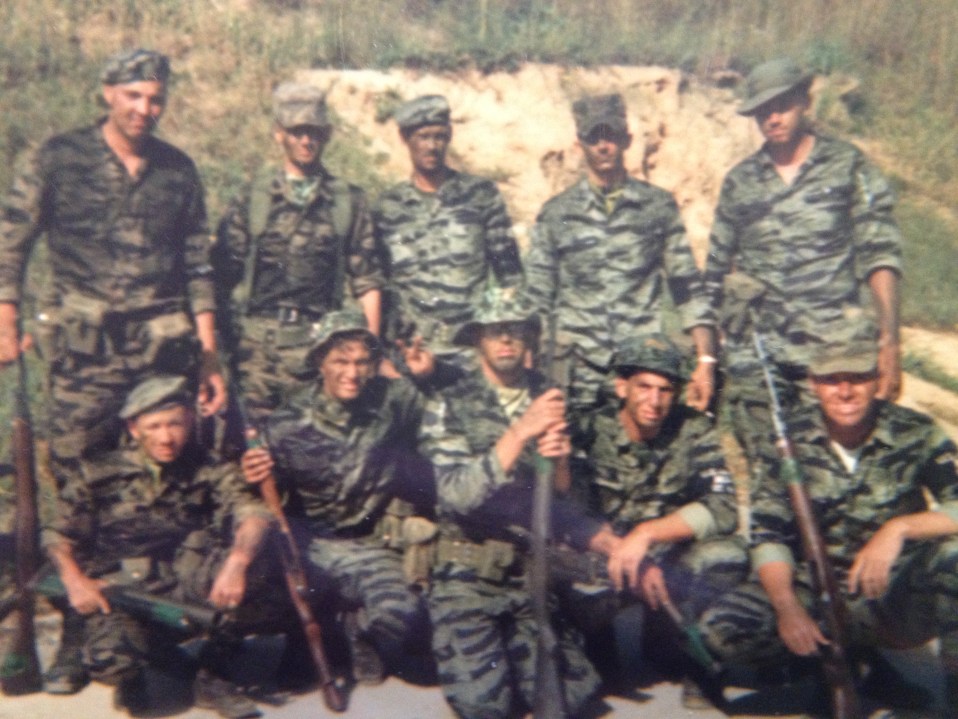
As an infantryman serving with the 7th Infantry Division in the summer of 1968 up on the DMZ, I saw and experienced the aggression towards South Korea by North Korean soldiers.

On one of our stakeouts inside the DMZ to intercept North Koreans heading south of the Military Demarcation Line a firefight started. We killed two of them feeling for our trip flares and Claymore mine wires. The other North Koreans fired at us but we were not hit. We detonated a Claymore mine and threw grenades at them and near dawn they withdrew from us.

On October 5th that night a call came over the radio that a squad inside the DMZ had been hit and they requested extraction of their wounded. The first vehicle to go through the barrier fence gate was an Armored Personnel carrier followed by a machine gun jeep. Next was an Army field ambulance then a machine gun jeep. The APC bulldozed into the woods and brought the wounded man out to the road. Two medics carried the stretcher to the ambulance. I was the driver of the rear jeep and could see they performed CPR on him before closing the ambulance doors. All three vehicles raced back to camp two miles away. Sp4 Stephen Nassani died from a North Korean grenade explosion that night.

In the winter we got ordered to go to the barrier fence where a North Korean infiltrator was killed. He was lying in a small trailer and on his face was a grimace of pain frozen in death. Rifle fire blew out his shoulder blade and knee cap. When a squad went to get him, he took his grenade and blew his chest out. They would not be taken alive if possible. Our South Korean KATUSA soldiers remarked his family must be wealthy because he was wearing thermal insulated under garments. Most other infiltrators were found with straw under their clothes to try keeping warm.


What did you learn from serving in Korea? Let us know –

Sharing your experiences from serving in Korea can be a powerful way to connect with others who have had similar experiences. By sharing your story, you may be able to help others who are currently serving in Korea or who are preparing to do so. You can share insights about the culture, the people, and the challenges you faced while serving. Your story can also help to shed light on the sacrifices that service members and their families make in order to protect our freedoms. So, if you have a story to share, we encourage you to take the time to put it down in writing and send it to KDVA.MyServiceInKorea@gmail.com along with any photos that help to tell your story.


READ MORE STORIES HERE.

Read more

Song Pak Stisher – From My Service in Korea, I learned…

From My Service in Korea, I learned…

Song Pak Stisher

“Resiliency through Building Cultural Respect, Trust and Friendship”

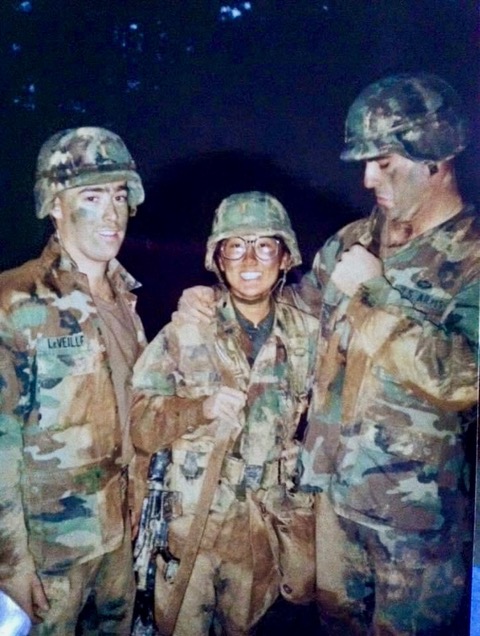
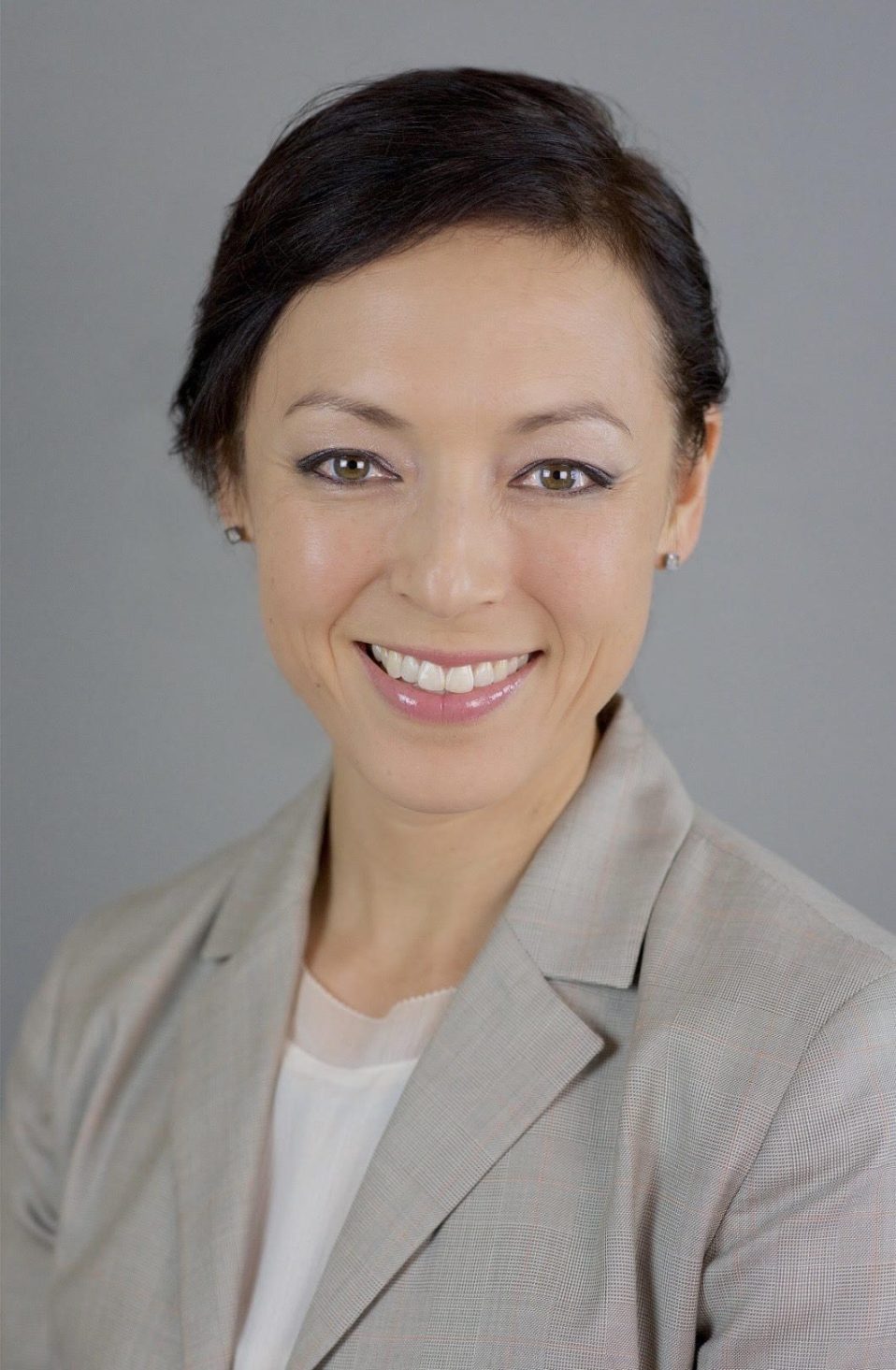
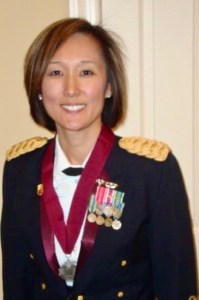
As a newly commissioned Second Lieutenant in 1990, my first assignment in the Army as a Medical Service Corps Officer (70B) was a Medical Platoon Leader at the 568th Medical Company (Ground Ambulance), 52nd Medical Battalion, at Camp Humphreys, Pyongtaek, Korea. Camp Humphreys was quite different back then, a fenced in perimeter of post surrounded by pig farms and rice paddies. I can still smell the pig farms as I often ran the 10 mile perimeter o dark thirty in the morning.

My unit, the 568th Med Co, was a very unique in a sense it was a multi comp TOE unit consisted of US Army active duty personnel, Korean Service Corps (KSCs) and Korean Nationals (KNs). We didn’t have any KATUSAs assigned to 568th, however, our sister company, the 560th Medical Company did. I was assigned as one of the three Platoon Leaders at the 568th and within my platoon, I was in charge of about 30 KSCs, along with my platoon sergeant. The KSCs were unique in their skill sets as medics and civilian service members, fluent in both Korean and English. They were also senior in grade and time in service. They were well trained and skilled in various medical treatment and evacuation operations. I quickly gained a tremendous respect for them as I was a brand new Lieutenant who was their new leader. But I also faced some unique cultural challenges.

I was a 22 year old, Korean American, a female US Army Officer in charge of a group of very seasoned KSCs and this was their very first experience working for a woman, someone who was half their age, without much time and grade and very “green.” They didn’t really know what to expect from me, never mind taking orders from me. I quickly realized this was a very difficult situation for the KSCs, who have traditionally reported to male leaders in a male dominant society and culture. I also realized that respect is not simply given but earned and this was a two way street. I had to first prove to them that I respected their contributions and commitment to the unit’s mission. We were able to do this through various field training exercises, team building  and leadership training. Over time and collaborations, we were able to build mutual trust, respect and acceptance of each other. We accomplished many missions and tasks throughout the 12 months we spent together at Camp Humphreys. I can honestly say that by the end of my tour in Korea, we became family.

As I look back to my time in Korea and the unique experience gained working with the KSCs at 568th, I can still remember all of their smiling faces. I will never forget friendship, culture and humanity we shared during our time together. And best of all, it truly taught me the importance of resiliency when challenged with unique cultural differences and how we can all overcome these challenges through mutual respect and trust. We believed in our motto “Katchi Kapshida” – Let’s Go Together.

This journey was very special to me as I had returned to Korea to serve since my family immigrated to the US in 1978. I hope to revisit Korea soon and walk through the journey one more time.

Thank you for allowing me to share my story.


What did you learn from serving in Korea? Let us know –

Sharing your experiences from serving in Korea can be a powerful way to connect with others who have had similar experiences. By sharing your story, you may be able to help others who are currently serving in Korea or who are preparing to do so. You can share insights about the culture, the people, and the challenges you faced while serving. Your story can also help to shed light on the sacrifices that service members and their families make in order to protect our freedoms. So, if you have a story to share, we encourage you to take the time to put it down in writing and send it to KDVA.MyServiceInKorea@gmail.com along with any photos that help to tell your story.


READ MORE STORIES HERE.
Read more

David Benbow – From My Service in Korea, I learned…

From My Service in Korea, I learned…

David Benbow

My service in Korea with Charlie Company, 3/23rd Infantry, 2nd Infantry Division, Feb 1968 to June 1969 taught me to love the Republic of Korea and its citizens. The 12-15 KATUSAs I served with in my company were outstanding soldiers. The people of the Republic of Korea were industrious and hard working. I am proud of the huge economic growth of the Republic of Korea since 1953. They love their country and so do I. I have formed life-long bonds with my brother DMZ vets and with some of the family members of Michael Rymarczuk, killed July 30, 1968 on DMZ night ambush. Everywhere I go, I carry the memories of my fellow 3rd platoon buddy, Michael Rynmarczuk and my 3rd platoon foxhole buddy, KATUSA Pvt. Kwan, who was killed in the DMZ on night ambush in August 1968.

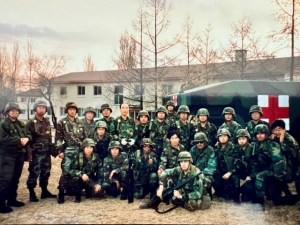
  Army Signalman, Mike Reynolds, who was killed in my company area of the DMZ while stringing wire to our Guardpost Gladys, September 27, 1968 and new 2LT James Weeks, killed on his first patrol into the DMZ on July 20, 1968, both had family members reach out to me and we have become friends.  I found Michael Rymarczuk’s mother, brother and daughter in Philadelphia and we became friends. I told Michael’s daughter, Micki, that her father was my DMZ Brother. She calls me and several of her father’s other Charlie Company, 3rd platoon buddies, her “uncles”, because her father, who was killed before he could hold his baby girl, was our brother.  Earl Jeffery, WIA July 30, 1968 , also in my 3rd platoon, was flown home after being wounded and we never heard from him again. I found his daughter several months ago in Dennison, Texas. She told me, her father had just died last year and that even though he had survived his multiple wounds from that long night,  he had limped all his life and had nightmares. I wish I had been able to find Earl before he died. I carry my DMZ brothers’ memories with me every day. I am proud we helped defend the people of the Republic of Korea from North Korean aggression.  Whenever I have to make a public speech, or try a jury case in court, or have a serious doctor’s appointment,  I carry my  Imjin Scout patch, which I removed from my fatigue shirt, in my pocket. I would not trade that 55 year old faded green cloth patch for any other medal or military award.  It says that I served in dangerous situations with some of the best men I have ever met. David Benbow, Statesville, NC (formerly Sgt (E-5) David Benbow, Charlie Company, 3/23rd Infantry, 2nd Infantry Division.


What did you learn from serving in Korea? Let us know –

Sharing your experiences from serving in Korea can be a powerful way to connect with others who have had similar experiences. By sharing your story, you may be able to help others who are currently serving in Korea or who are preparing to do so. You can share insights about the culture, the people, and the challenges you faced while serving. Your story can also help to shed light on the sacrifices that service members and their families make in order to protect our freedoms. So, if you have a story to share, we encourage you to take the time to put it down in writing and send it to KDVA.MyServiceInKorea@gmail.com along with any photos that help to tell your story.


READ MORE STORIES HERE.
Read more

CMSgt (Ret.) Ron Eubanks – From My Service in Korea, I learned…

From My Service in Korea, I learned…

CMSgt (Ret.) Ron Eubanks

What I learned from my eight years in Korea would fill volumes, but I will touch on just a few highlights.  I learned what it’s like for a fearless and industrious population to live only 35 miles from a constant, and serious, military threat while going about their daily lives.  I learned that Korean people appear to be a bit abrupt and discourteous initially, but once they get to know you, they are in fact, a most kind and gregarious people.  I learned just how different customs and courtesies are in Korea from those in the United States.  I also learned just how much the Korean people know about the U.S. and how little most Americans know about Korea (myself included initially).  I learned that American military personnel, far from home, can frequently misjudge the people and environment without really getting beyond what they see just outside the gates of a military installation.  Likewise, I learned that many Koreans misjudge the actions of a few “ugly” Americans as being the norm.   I learned, from working with the ROK military, just how disciplined and patriotic the Korean military really is and how mutual respect is earned by working closely with each other towards a common goal. As an Intelligence Analyst, I learned what it was like to work within the highest levels of military and civilian leadership during some significant incidents that occurred during my tenure:  August 1976 nK axe murders in the JSA area, the Russian downing of KAL 007, the assassination of President Park Chung Hee and the ensuing power struggle.  I learned that applying myself to become an expert on nK Psychological Warfare brought great rewards:  being selected to write the CINC’s briefing points for President Reagan’s visit, and ultimately ascending to the pinnacle of my military career ladder (CMSgt/E-9).  But, everything I learned about Korea pales in comparison to my having met and married my wife of now 42 years and our wonderful daughter being born in the 121 hospital at Yongsan.  Obviously, my time in Korea had a significant impact on my life both professionally and personally.  It has been many years since we last visited Korea, but our bonds with the country and the Korean people can never be broken.


Ron Eubanks

CMSgt, USAF (Ret)


What did you learn from serving in Korea? Let us know –

Sharing your experiences from serving in Korea can be a powerful way to connect with others who have had similar experiences. By sharing your story, you may be able to help others who are currently serving in Korea or who are preparing to do so. You can share insights about the culture, the people, and the challenges you faced while serving. Your story can also help to shed light on the sacrifices that service members and their families make in order to protect our freedoms. So, if you have a story to share, we encourage you to take the time to put it down in writing and send it to KDVA.MyServiceInKorea@gmail.com along with any photos that help to tell your story.


READ MORE STORIES HERE.

Read more

Lt Col, USAF (Ret) Aaron D. Trimble – From My Service in Korea, I learned…

From My Service in Korea, I learned…

Lt Col, USAF (Ret.) Aaron D. Trimble

From my service in the Republic of Korea I learned what it meant to become inextricably and spiritually linked to a country and its people.

My earliest introduction to Korea and its people began at Clark Air Base in the Philippines, when in October 1983 North Korea orchestrated the Rangoon bombing intending to assassinate South Korean President Chun Doo-hwan. When wounded victims were flown to Clark for emergency treatment, my wife and I were asked to assist with their welfare and security. From these survivors, I learned first-hand about the horrors of that event along with the bravery shown by many South Koreans who rushed in to assist their wounded comrades immediately following the explosion.

When I think about my tours in Korea I remember the old Chinese curse, “May you live in interesting times.”

While assigned to USFK/J2 from 1992-1994, I began to gain a much better understanding of this astounding country, by immersing myself in its history, culture, and people. Our relationship with ROK counterparts was professional but we also developed close friendships. In June 1994, tensions began ramping up dramatically on the peninsula after North Korea shut down its nuclear reactor at Yongbyon and removed spent fuel rods containing enough plutonium to build five or six nuclear weapons. Throughout the pending crisis the resolve of the ROK military and their unmitigated trust in U.S. support was never stronger as we all prepared for the possibility of another conflict on the peninsula. Fortunately, diplomacy prevailed.

What I was unaware of at the time; however, was that the Korean People’s Army (KPA) were also taking steps to undermine the Armistice Agreement. With the collapse of communism in the Soviet Union and Eastern Bloc countries, North Korea no longer trusted the Czech and Polish Neutral Nation Security Council members and by 1993 expelled them. More significantly, in May 1994 the KPA also announced they would no longer participate in the Military Armistice Commission and subsequently the Chinese People’s Volunteers withdrew its own delegation.

It was during my final tour from 1997-1999 while assigned to the United Nations Command Military Armistice Commission (UNCMAC), that I gained the clearest perspective on the consequences of the KPA activities pertaining to the Armistice and the cruciality of the U.S. – ROK military relationship.

Despite the KPA’s effort to chip away at the very document that provided an end to hostilities in 1953, the South Korean government and military were resolute. They continued to maintain a positive attitude, worked closely with, and encouraged all UNCMAC efforts to coerce them back to the Armistice Agreement.

With South Korean support, particularly from the Republic of Korea Advisory Group, UNCMAC held intense and arduous negotiations with the KPA and eventually established a General Officer (GO) crisis management dialogue channel with the first meeting held between both sides on 23 June 1998.

During negotiations to develop meeting procedures, the KPA did everything they could to exclude the South Koreans from participation in the GO meetings. There was a great sense of accomplishment when at every one of the nine senior level GO meetings I participated in, a South Korean general officer was always sitting across the table from the KPA in a picture of solidarity with the other UNCMAC member nation representatives.

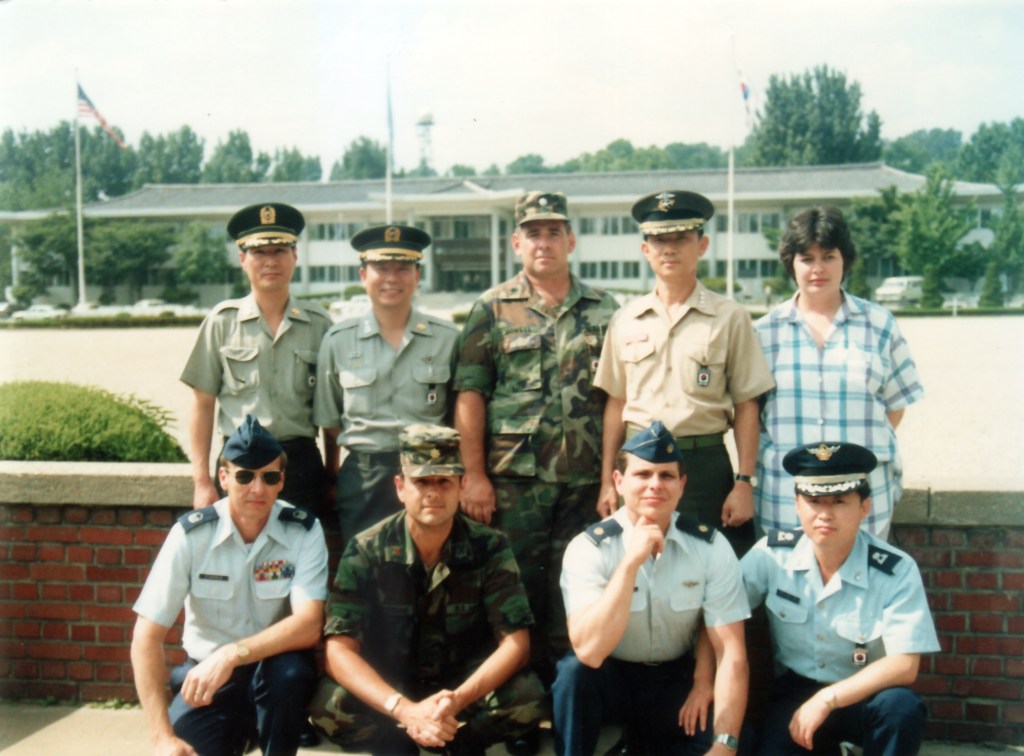
LtCol Trimble (center right) ‘on the line’ for MIA remains return ceremony at the Joint Security Area

LtCol Trimble at the DMZ with ROKA LTC Chun In-bum


What did you learn from serving in Korea? Let us know –

Sharing your experiences from serving in Korea can be a powerful way to connect with others who have had similar experiences. By sharing your story, you may be able to help others who are currently serving in Korea or who are preparing to do so. You can share insights about the culture, the people, and the challenges you faced while serving. Your story can also help to shed light on the sacrifices that service members and their families make in order to protect our freedoms. So, if you have a story to share, we encourage you to take the time to put it down in writing and send it to KDVA.MyServiceInKorea@gmail.com along with any photos that help to tell your story.


READ MORE STORIES HERE.

Read more

CPT Kim Rybak – From My Service in Korea, I learned…

From My Service in Korea, I learned…

Kim Rybak

I am a former dependent and my father served three times in Korea. The first time he went, he met my mother, fell in love for the first time and they eventually married, taking all the risks of marrying as an inter-racial couple in the 1970’s during the height of the Vietnam War.

The first time I had the privilege to move to Korea was from 1984-1986, during my elementary school years. This was the first time I was near immediate family members, and I learned from my Grandparents and Uncles the hardships of the war itself. Having fun navigating through Korea, playing with cousins and spending lots of time running up and down Mount Apsan in Camp Walker, Taegu, Korea was my true focus. I didn’t realize the impact of the threat of the Cold War and what was just 8 hours drive north of us in North Korea. The second time we moved back was just after the 1988 Olympics in Seoul. I spent my 8, and 9th grade years in Seoul, Korea at Seoul American High School. This time I was much more aware of the impact of. communism and dictatorship upon societies. We saw the Iron Curtain fall in 1989 while I was in History Class in Seoul. We visited the DMZ and saw the last bit of staunch Russian Red Umbrellas just across the border in North Korea. We drove through the South Korean College student riots proclaiming “Americans Leave Our Soil.”
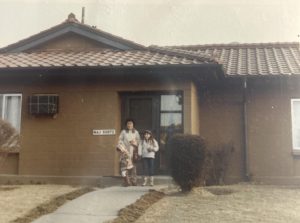
This left a profound impact on me. My grandparents told us more about the horrors of war, and it was then I realized that not only I wouldn’t exist, but none of my cousins and possibly even my mother had the sacrifices that Koreans and Americans and all others from everywhere made to keep communism out!

I came back to the US with a renewed sense of preservation for continuing this story, the Forgotten War. Being more and more removed from the actual physical fighting, I delved into anything I could learn about North Korea and the tactics they take to oppress their people.
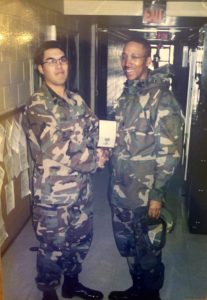
This story continues on with anyone I encounter who wants to hear it. My children are fully aware of this, and I remind them, had it not been for those sacrifices, they would not exist. Samsung, LG, Kia, Hyundai, along with so many other businesses would never be!  My hope is to take them to Korea, so they can see all the wonders of South Korea and how this would never happen without their freedom.

My children know that the war isn’t over. North Koreans live this story everyday and that is a tactic used to keep them in the military state of mind, along with isolation from the rest of the world. Many of my American colleagues do not even know this fact, and just muse over the latest Korean Netflix Drama or KPop. I remind them, that the country is still at war, that it is important that we continue to keep our forces there to work with Korean forces. We must keep this story alive so we don’t forget because the enemy hasn’t forgotten, and they are ready to restart.

Lastly, anytime I see someone with a Korean War veteran hat, I thank them and tell them, “ I wouldn’t be here without your sacrifice.”

My husband and I were both active duty US Army from 1996-2005, and he had the opportunity to serve at Camp Humphries from 1996-1997. He was the last Executive Officer for the unit that the show MASH was modeled off of!  We both had the chance to attend the ceremony!

Kim Rybak (US Army Veteran 1997-2005, CPT Army Nurse Corps)


What did you learn from serving in Korea? Let us know –

Please email us your story and photos to KDVA.MyServiceInKorea@gmail.com.

READ MORE STORIES HERE.

Read more

MSgt. (Ret.) Michael Betzer- From My Service in Korea, I learned…

From My Service in Korea, I learned…

Michael R. Betzer

MSgt. USAF (Ret.)

I arrived at Osan Air Base on 28 October 1974. I was assigned to the Weapons Control Systems Shop in the 51st Avionics Maintenance Squadron. I was just qualifying on the F-4E Phantom II. I thought I knew about Korea. In 1963, I read a book titled “Back Down the Ridge” by W.L. White; it was an intriguing account about the Mobile Army Surgical Hospitals (MASH) in Korea. I watched “The Hunters”, “The McDonnell Story” and “Sayonara” as a young boy. Yes, these all helped prime me. But there was so much I did not know about the Land of the Morning Calm.

The moment of truth came in March 1975. I was working the flight line that morning, and while waiting for a truck to take me back to the shop, it suddenly hit me: this is the “Real” Air Force! Not Lackland AFB, not the Defense Language Institute, not George AFB, not Lowry AFB, not even Seymour Johnson AFB. This was it, a war zone, albeit during an Armistice. Indeed, just three weeks after I arrived, the first of four tunnels was discovered along the Demilitarized Zone. I was also aware of several scrambles by F-4Es on Zulu Alert, of which one mission came within 18 miles of North Korean aircraft.

I was so impressed with the mission, I extended my tour for a year. After three years of Instructor Duty at Lowry AFB, I returned to Osan Air Base in 1980 for a one year tour. Those six years constitute the most rewarding of my Air Force career.

Michael R. Betzer

MSgt. USAF (Ret.)


What did you learn from serving in Korea? Let us know –

Please email us your story and photos to KDVA.MyServiceInKorea@gmail.com.

READ MORE STORIES HERE.

Read more

SGM (Ret.) Joseph Terry- From My Service in Korea, I learned…

From My Service in Korea, I learned…

SGM (Ret) JOSEPH TERRY

May 1996-Nov 2017

The dates you see noted above are correct! I served my last 9 ½ years on active duty and retired and worked the remaining years as a contractor. I had been trying to get an assignment to Korea for several years and had almost given up. When I was stationed at Fort Lewis, Washington and my wife and daughter decided to go on vacation to Korea. One day while they were still there, my Administrative Assistant came into my office and said “SGM, you just came down on assignment for Korea”! I could not believe it! I notified my wife and of course, she was very excited.

I received information from the Unit I would be assigned to, which was the Air and Missile Defense Division of CJG3 at Yongsan Garrison. We also had an Air Defense Liaison Detachment at the Osan Air Force Base. I was assigned a sponsor, and my journey began. I, along with my wife Sonya and daughter, Joanna arrived in Korea the evening of 7 May 1996. It was quite an adventure from Gimpo Airport riding through Seoul to Yongsan and arriving at the Dragon Hill Lodge where we stayed for 40 Days awaiting our Quarters there at Yongsan Garrison, just down the street from the Dragon Hill Lodge.

My Unit was comprised of US Service Members and 2 ROK Officers). I do not recall who gave it to me, however, I received a small book entitled Ugly Koreans, Ugly Americans. Before your mind drifts too far, it is a book about Cultural and behavioral differences between Koreans and Americans. I was so impressed after I read it, I made it a requirement for my Soldiers to read when they arrived at the Unit.

I believe a primary reason the US ROK Alliance is so strong is that we try to understand we have difference Cultural and behavioral differences however, learning and understanding our differences helps build a very lasting bond. I took every opportunity I could both on and off duty to learn more about Korean culture and to share mine as well. I had the opportunity to be the Chairman of the Dragon Hill Chapter of the Non Commissioned Officers Association which provided many opportunities to create relationships with ROK, KATUSA Service members off base in the Korean communities. I met many Korean business and community Leaders and still communicate with some of them even since being back in the US the past 6 years.

There were programs within Eight Army and United States Forces Korea that amplified our relationships. Our NCOA Chapter as well as other organizations both US and Korean had programs that fostered goodwill and built on these strong relationships. As an example, our chapter sponsored the Young Nak Orphanage, and the Bosung Girls Middle and High Schools.  There were two unique programs our Chapter implemented. One was an English Camp with the Korean Girls School, and the other was a Military Introduction Program. In the latter program, our NCOA Chapter members and other Volunteers along with US service members, ROK and KATUSA service members. In a nutshell, the students were shown what it was like to be a military service member and how we worked together as an Alliance. This included an introduction to Physical Fitness Training, Drill and Ceremonies, samples of Meals Ready to Eat for lunch etc. The program was very well received by all. We also had Holiday introduction programs, American and Korean Christmas Programs, and information about Thanksgiving in the US and Chuseok in South Korea.
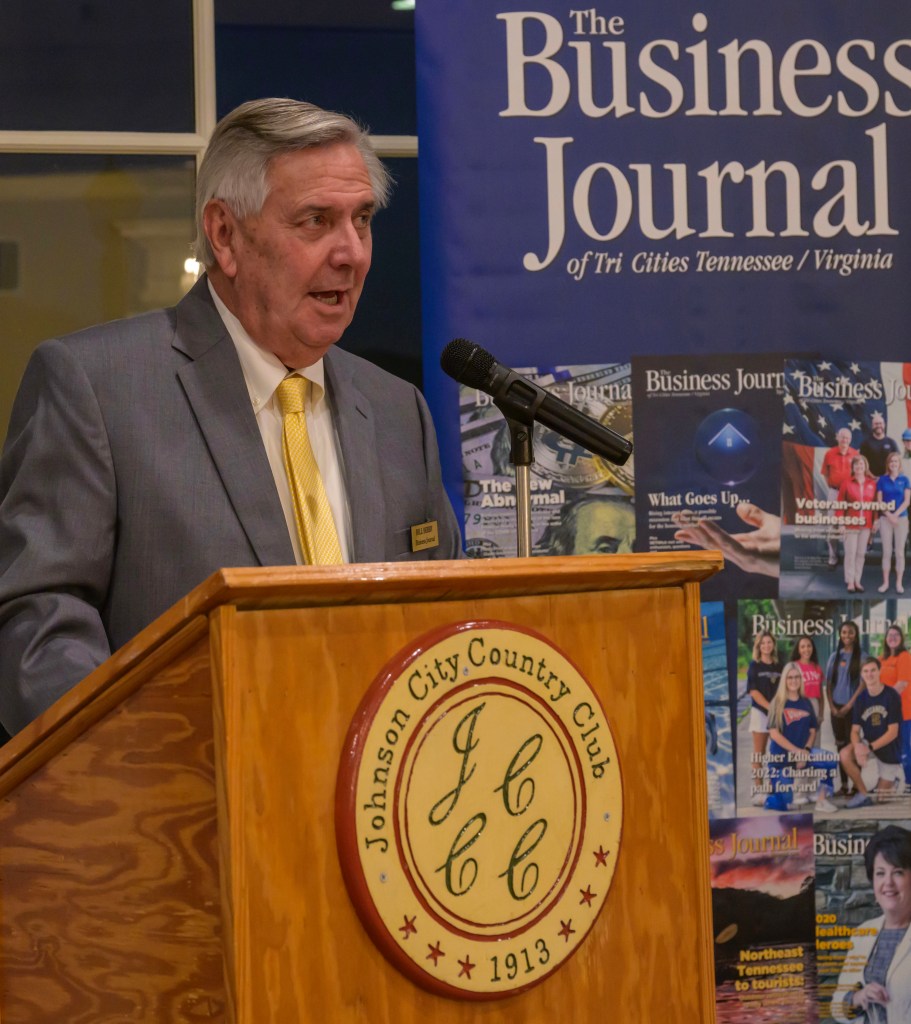
When I retired and decided to stay in Korea, I served as an IMCOM-K Contractor as an Exercise Operations Analyst and a few years later as the General Manager for the Base publications Morning Calm, Crimson Sky Newspapers, and the Seoul Survivor Annual publication. This continued my opportunities to be immersed in not only the Military but also the private sector.

I had the opportunity to travel all over the Peninsula including visiting the DMZ on several occasions. I think it is very important for all stationed there to learn and share our countries’ different cultures and behaviors. Also, to experience firsthand what it means to be a member of a non-wavering alliance that continues to strengthen every day. I truly enjoyed and am thankful for the 20-plus years I lived in Korea. “We go together” is not a cliché, it’s a living reality!

Joseph Terry, SGM, U.S. Army (Ret)

NCOA Executive Director


What did you learn from serving in Korea? Let us know –

Please email us your story and photos to KDVA.MyServiceInKorea@gmail.com.

READ MORE STORIES HERE.

Read more

Bill Derby – From My Service in Korea, I learned…

Bill Derby, US Army 1966-69

From My Service in Korea, I learned… the strength, determination and willpower of the human spirit.

The second our Boeing 707 door opened at Kimpo late at night I knew I was in a new country. It was September 1966 as strange new smells filled the air. Both apprehension and excitement ran through my body.

That lasted only a day or two and on the ride up to Uijongbu Camp Red Cloud, I noticed Koreans bent over in their rice paddies working hard. I was assigned to the I Corps newspaper, The Bullseye, as a photojournalist, one of the best jobs I could imagine.
My job duties gave me the opportunity to experience up-close the Korean culture as we covered many stories of Koreans in everyday life, working hard to survive, get ahead and provide for their families. Korea then was rough but a sense of progress and overcoming the hardships of war was seen everywhere. We covered many stories through photography and features showcasing everyday lives of the Korean people and culture. I also developed a love for Kimchi as we covered the harvest later that fall. In winter it was fascinating to see the hundreds of ice skaters only feet from the two-lane road to Seoul enjoying speeding over their frozen rice paddies.

I met many Koreans as our office translator, Mr. Rhee, introduced us to many prominent citizens in Uijongbu. We were even invited to the mayor’s home for dinner. Mr. Rhee told me to be sure and eat all that was prepared. That night was my first taste of dried pollock or squid.

When our Katusa driver took us through Seoul to Kimpo to send our newspaper off to the Stars and Stripes office to be printed in Tokyo, it was a white-knuckle trip with only a few red lights to control hundreds of cars and buses. Our soldier and Katusa newspaper staff became very close along with Mr. Rhee.

My return visit to Korea in 2022 was almost beyond my comprehension of the change 56 years could make. With only one bridge across the Han then, to the 31 bridges crossing that river today.

During our KDVA revisit whirlwind tour of the beautiful country and ultra-modern Seoul, I still noticed how the Korean people and their society treat one another.  Something unique happened while we were at the Republic of Korea-United States Alliance Peace Conference and Gala Dinner.  While we were sitting at our dinner table a distinguished Korean gentleman placed a book in my lap and quickly left.  No one else at my table was given the book, titled “Korean Spirit and Culture III, Chung-Hyo-Ye.” I put it in my suitcase and didn’t review it until a few weeks after returning home. It got my attention.

I learned that most Koreans respect and honor one another. We saw it every day on our trip. They help one another.

The Preface of the book the Korean gave me hit home when I read.

Korean Spirit and Culture III, Chung-Hyo-Ye

“Korea is a nation that has always loved peace and has done everything in its power to preserve it. In its five thousand years of history, Korea has never invaded other countries. Based on the teachings of Hongik Ingan, which means one should ‘live and act for the benefit of all mankind,’ reverence for the Heavens and respect for human life is deeply rooted in the spirit of the Korean people.


What did you learn from serving in Korea? Let us know –

Please email us your story and photos to KDVA.MyServiceInKorea@gmail.com.

READ MORE STORIES HERE.

Read more

Art Smith, Jr.– From My Service in Korea, I Learned …

Art Smith, Jr.

1967-1968

There is so much to tell you about this great trip but there are two stories that I would like to share.

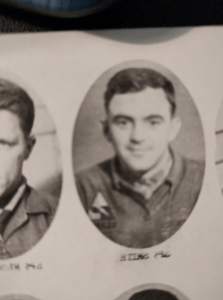
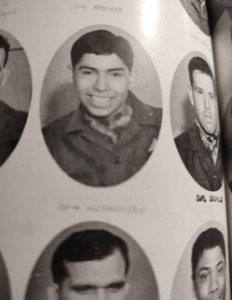
Arrival – we just arrived at the airport in Soeul I was wearing my 2nd Inf Div hat and as we are assigned into groups, another vet comes up to me and says, “Didn’t I hear you say that you were assigned to 2/72 Armor?” I replied “yes”, he leaves and returns with another vet who says, “I was in 2/72 Armor what year were you stationed there?”  1967-68 I say and he says “I was there then, in HHC. What company did you serve in?” I was in HHC, (we both did not recognize each other yet) What was your MOS and I asked “Medic” “What was yours” he asked “The HHC Armorer”.  He yells out “that was Smitty” “Smitty”. “Herendez” I reply.  He gets out our unit yearbook and there we are.

Art

Rich

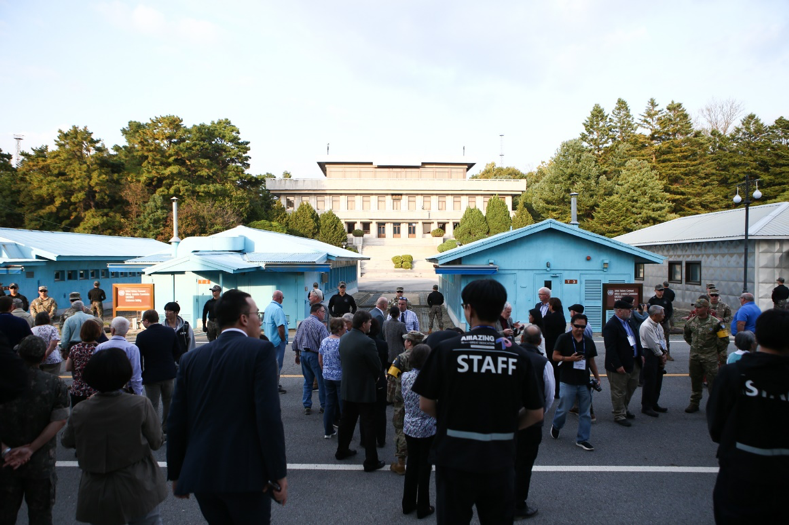
On the trip we are invited to visit the DMZ (a place that most soldiers never got to see). I was lucky and was authorized to travel with my Bn CMDR to Panmunjeom. On one trip I witnessed a North Korean defected and I was fortunate to catch it with my camera.  Well on our trip I stood in the same spot that I was on in 68 and nothing changed.


What did you learn from serving in Korea? Let us know –

Please email us your story and photos to KDVA.MyServiceInKorea@gmail.com.

READ MORE STORIES HERE.

Read more