Why Korea is an Assignment of Choice

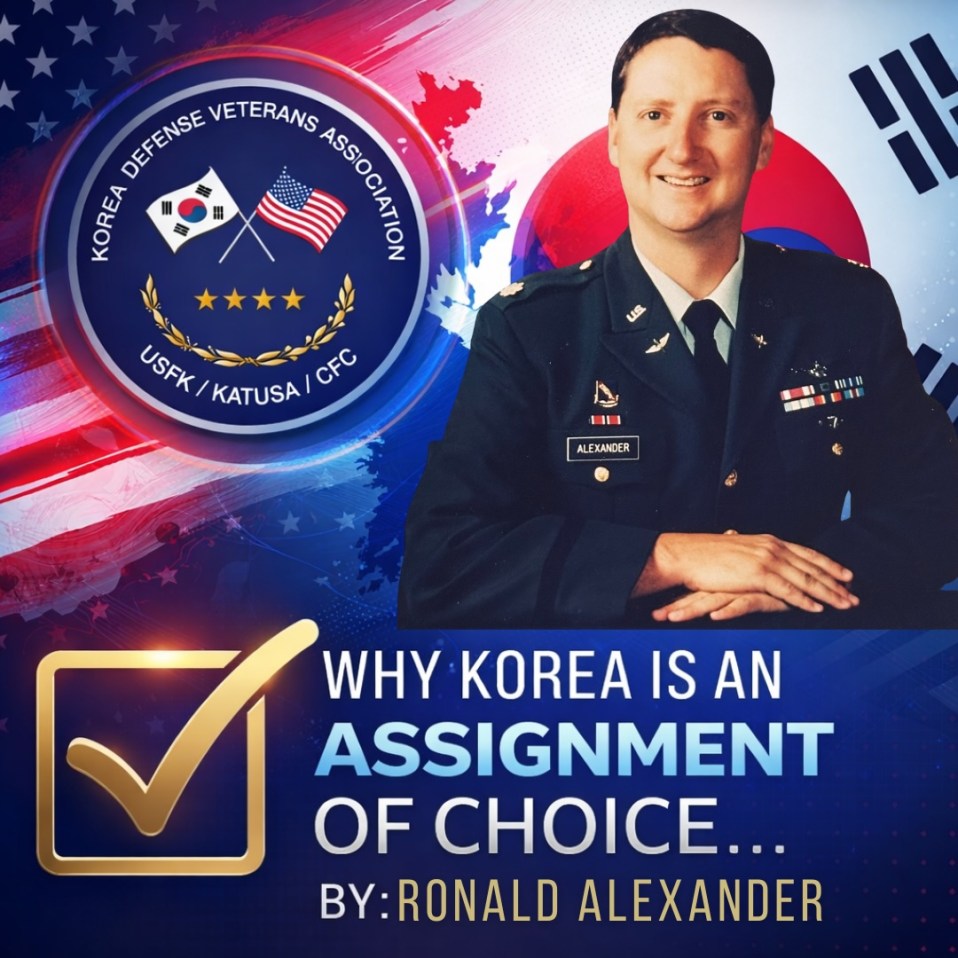
Why Korea is an Assignment of Choice – By Ronald Alexander

Why Korea is an Assignment of Choice – By Ronald Alexander

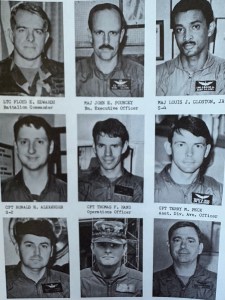
My journey with the Republic of Korea began with an assignment I eagerly embraced, volunteering for service in 1982-83. I joined Headquarters and Headquarters Company (HHC) 2nd Infantry Division (2ID) Aviation Battalion, flying UH-1H helicopters as an Instructor Pilot out of Camp Casey (H-220). A stroke of serendipity, or perhaps fate, intervened shortly after my arrival at the “Turtle Farm” (Assignment HQ) in Yongson, North Post. Major Paul Hinote, the S-3 in 2ID and a former colleague from my Ft. Rucker days, specifically requested my transfer to 2ID rather than my original posting with the 52nd Avn BN at K-16. And so, my path led north.

Our unit operated within the ever-vigilant “Tactical Zone,” a demanding frontier along the Demilitarized Zone (DMZ). Our daily operations were a masterclass in tactical aviation: executing critical radar site resupply missions, flawlessly inserting and extracting troops from precarious LZs and DZs in support of 2ID’s intense tactical operations and expansive field exercises. We pushed the boundaries of night flight, honing our skills through rigorous night vision goggle training and low-level autorotations in challenging field environments.
Beyond the intense operational tempo, I was granted a rare and cherished opportunity: a home visit with a Korean family in Seoul. This immersion into local culture was profoundly impactful, offering insights into their customs, traditions, and the exquisite flavors of authentic home-cooked meals. Their warmth and genuine hospitality instantly made me feel like an honored guest, bridging cultural divides with effortless grace. This assignment also allowed my wife to visit on the Korean Reunion Tour, enabling us to travel extensively across the country. A particularly memorable experience was our visit to the DMZ at Panmunjom, where we stood mere feet from North Korean guards and briefly stepped into the armistice building, crossing onto the north side for a few fleeting minutes – a powerful and sobering moment.
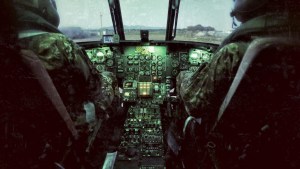
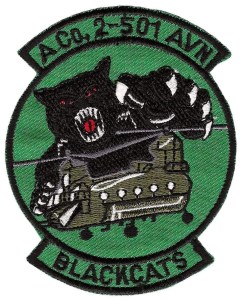
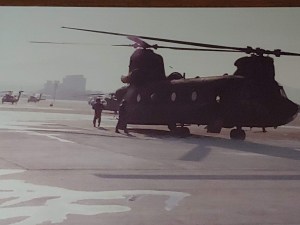
My second chapter in Korea unfolded at Camp Humphreys in Pyongtaek, where I proudly commanded A Company, 2-501st Aviation Regiment, the “Blackcats.” Our unit, comprised of fifteen formidable CH-47D Chinooks, was the lifeline for critical logistical support, meticulously resupplying vital equipment across the entire South Korean peninsula, from the volatile Tactical Zone to its furthest reaches. One particularly memorable mission vividly illustrates the precision and stealth our unit embodied: a crucial Operational Readiness Inspection (ORI) exercise. Our task was to covertly extract Republic of Korea (ROK) Marines from Pusan and transport them under the cloak of darkness, halfway across the peninsula, to Kunsan Air Base. We commenced our flight shortly after midnight, navigating treacherous terrain with only the green glow of night vision goggles, even executing a mid-flight refueling in a secluded valley. As the first rays of dawn painted the sky, we successfully inserted the ROK Marines directly into the heart of the Kunsan compound, before the United States Air Force personnel were fully aware of our presence—a testament to the effectiveness of our infiltration tactics. Beyond the flight line, life outside Camp Humphreys, in the lively “Vill,” offered its own vibrant tapestry of experiences. It was a cultural hub, providing much-needed respite, camaraderie, and a delightful immersion into Korean cuisine and local entertainment for the stationed troops, much like the community around Camp Casey up north.
My final, and arguably most impactful, assignment positioned me as the 8th Army Aviation Officer, operating from the Sabingo compound in Seoul, a strategically vital location just east of South Post. In this leadership capacity, I continued to maintain my flight proficiency in C-12 aircraft from K-16, but my primary focus shifted to the strategic realm: conceptualizing, developing, and meticulously implementing comprehensive operational plans for *all* United States Army Aviation assets deployed across South Korea. This involved extensive coordination and rigorous training, often conducting exercises in both the central command facilities of CC Seoul and the challenging “Mountain” environments, ensuring peak operational readiness and interoperability.
A poignant moment during this tenure was an unexpected reunion with Lieutenant General Bill Crouch, who had once been my Squadron Commander in the 1/3 ACR during my second Cavalry Troop Platoon Leader assignment at Ft. Bliss, TX. He recognized me instantly, some fifteen years later, and with a wry smile, playfully reminded me of my “poor decision” to transition into aviation rather than remaining in Armored Cavalry. My response was a gentle challenge, pointing out the scarcity of officers from our era still serving at such senior levels. I highlighted three examples: himself, Brigadier General Konitzer (another aviator), and, of course, myself, as his 8th Army Aviator. His subsequent affirmation, “You made a very fine decision then!” was a deeply gratifying validation of my career path, underscoring the enduring value and necessity of Army Aviation leadership.
Reflecting on these three distinct assignments, spanning crucial decades, my admiration for the Korean people and their remarkable culture is profound. Their unparalleled resilience, unwavering dedication, and tireless hard work have transformed their nation, forging a world-class economy and infrastructure from formidable challenges. It has been an immense privilege to witness and be a part of this incredible journey.


Why Korea is an Assignment of Choice ? Let us know –

This initiative invites current and former Service Members, civilians, diplomats, and families to share their stories and reflections on why serving in Korea — whether with United States Forces Korea (USFK) or at the U.S. Embassy in Seoul — was one of the most meaningful and rewarding chapters of their lives.

Whether your experience involved joint operations, discovering the beauty of Korean culture, forging lifelong friendships, or contributing to one of the world’s strongest alliances, we want to hear from you!

Share Your Story by Telling Us:

  • What was your initial reaction upon learning that you were going to Korea?
  • Why did you have that reaction?
  • What did you know about Korea?
  • Was there an “aha!” moment that made you think that being in Korea was good?
  • How did serving and living in Korea shape your career, life, or worldview?  And your family’s?
  • What experiences left a lasting impression, good or bad?

Submissions can be written, video-recorded, or even a simple quote with a photo. Selected stories will be featured on all KDVA social media platforms, our website, and Journals.

How to Submit:

Email your story to KDVAKoreaChoice@gmail.com and tag us on social media using #KDVAKoreaAssignmentOfChoice.

There is no deadline.  We will keep this going because we will not run out of stories from the millions of people who have served in Korea over the past 75 years!

Help us show the world why Korea isn’t just an assignment — it can be life changing!


Read more

Why Korea is an Assignment of Choice – By Kevin G. Scherrer

Why Korea is an Assignment of Choice – By COL (Ret.) Kevin G. Scherrer

1994-1995: Brigade XO, 2ID Avn Bde, Camp Stanley

1995-1997: Commander, 2-2 Avn Bn, Camp Stanley

1999-2000: Commander, CSCT#3, Camp Yong-in

2000-2002: Commander, 6th Cavalry Bde, Camp Humphreys


What was your initial reaction upon learning that you were going to Korea? 

“Oh hell no.” I had 17 years of service and a by-name-request to return to Germany. But my assignment officer laid it out plainly:

“You can go to Camp Stanley, Korea; you can go to Yongsan, Korea; or

you can separate from the Army.”  Hmmm.


Why did you have that reaction?

Because I wanted nothing to do with Korea – it was way “too foreign” for me.

Interestingly, years later I would recommend a Korea assignment to junior officers, because it was so foreign – and the only way to grow as a person is to get out of your comfort zone – and for Anglo-Americans like me, Korea is definitely out of your comfort zone (at least at the outset).


What did you know about Korea?

Not a thing, other than it was in Asia. When my sponsor picked me up at Kimpo Airport (before Inchon was built) and when I stepped outside, it was “Scherrer, you’re not in Kansas any more.” Everything was different. The sounds, the smells, the people, the language… everything. Little did I know at the time, that I would spend 6 out of the next 8 years in Korea!


Was there an “aha!” moment that made you think that being in Korea was good?

Not really – it grew on me.

    1. It was a fantastic environment to be in the Army – we trained hard and got to practice our craft with few distractions. And as it was pre-911, it was truly the forward frontier of the Army – our mission mattered.
    2. I recognized that the Korean culture and people weren’t better or worse, they were just different. And I accepted the differences and understood how this was making me a better human being.


How did serving and living in Korea shape your career, life, or worldview?  And your family’s?

After my first year in Korea, I stayed an additional two years for battalion command. While at the National War College, my regional studies area was Japan-Korea, so I got to learn more about Korea than just the DMZ and military. And when I returned to Korea for another 3 years and Brigade Command, I was a relative expert in the Theater. Those six years gave me balance professionally, and vastly expanded my cultural acceptance personally.


What experiences left a lasting impression, good or bad?

It’s been almost 25 years since I left Korea, yet I am still in close contact with both the Americans and Koreans I served with. If someone asked me what my “Army Home” was, it would clearly be Korea. The adventure, the foreign-ness, the people, all combined to make it one of the most impactful  experiences of my life. Whenever I counsel junior soldiers on their futures, I always lead with “go to Korea.”


Why Korea is an Assignment of Choice ? Let us know –

This initiative invites current and former Service Members, civilians, diplomats, and families to share their stories and reflections on why serving in Korea — whether with United States Forces Korea (USFK) or at the U.S. Embassy in Seoul — was one of the most meaningful and rewarding chapters of their lives.

Whether your experience involved joint operations, discovering the beauty of Korean culture, forging lifelong friendships, or contributing to one of the world’s strongest alliances, we want to hear from you!


Share Your Story by Telling Us:

  • What was your initial reaction upon learning that you were going to Korea?
  • Why did you have that reaction?
  • What did you know about Korea?
  • Was there an “aha!” moment that made you think that being in Korea was good?
  • How did serving and living in Korea shape your career, life, or worldview?  And your family’s?
  • What experiences left a lasting impression, good or bad?

Submissions can be written, video-recorded, or even a simple quote with a photo. Selected stories will be featured on all KDVA social media platforms, our website, and Journals.

How to Submit:

Email your story to KDVAKoreaChoice@gmail.com and tag us on social media using #KDVAKoreaAssignmentOfChoice.

There is no deadline.  We will keep this going because we will not run out of stories from the millions of people who have served in Korea over the past 75 years!

Help us show the world why Korea isn’t just an assignment — it can be life changing!


Read more

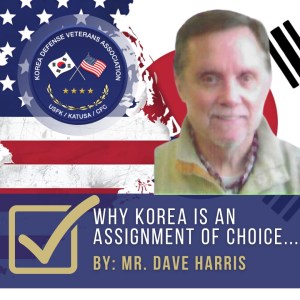
Why Korea is an Assignment of Choice – By Dave Harris

Why Korea is an Assignment of Choice – By Mr. Dave Harris

What was your initial reaction upon learning that you were going to Korea?

I cried. I had my heart set on Germany, mainly because of my German roots and the two years of German I had taken in high school. Korea was not something I had ever imagined for myself.


Why did you have that reaction?

In 1978, the United States was only five years removed from its involvement in Vietnam and less than three years from the fall of South Vietnam. I knew absolutely nothing about South Korea. Growing up, no one ever talked about the Korean War. It felt forgotten. I had never even watched MASH*, partly because I didn’t understand Army rank structure and partly because Korea was not part of my mental world.


What did you know about Korea?

Almost nothing—only that it was somewhere near Japan and China.

Was there an “aha!” moment that made you think being in Korea was good?

Yes. The moment I passed through the gate at Camp Walker in Daegu, I saw Apsan Mountain to the south of the base. For reasons I still can’t fully explain, that view brought me an immediate sense of calm, anchoring my feelings in a way I couldn’t ignore. The base layout was unlike anything I had ever seen, and both the installation and the surrounding area struck me as unexpectedly beautiful. That was the first moment I felt I might be okay there.


How did serving and living in Korea shape your career, life, or worldview—and your

family’s?

Living in South Korea changed my life, shaping my worldview and sparking a curiosity about Korea’s history that continues to influence me today. I wanted to understand the country beyond the base—to explore its past, its people, and its place in the world. I tried to meet every day Koreans my own age—I was about 20 at the time—but the language barrier made that problematic. Even so, the desire to understand never left me. Decades later, I am still trying to learn the Korean language and stay informed about current events there. While stationed in Korea, I took college courses through the University of Maryland and Los Angeles Community College, earning 27 semester hours over two years. Education became part of my daily life even then. During that time, I also met two Peace Corps volunteers who worked at a leper colony operated by a Catholic Sister on the outskirts of Daegu. I visited the site once—a visit that left a lasting and sobering impression. Korea was also where I first experienced history unfolding in real time. President Park Chung-hee’s assassination and the subsequent military coup made me realize how history is lived and felt, shaping my understanding of the human side of political change. This experience encouraged me to reflect on the importance of understanding the human impact of history, which continues to shape my perspective today.

All of these experiences shaped how I viewed the world and, later, how I raised my family—emphasizing curiosity, humility, and an awareness that history and politics are lived realities, not distant abstractions.

What experiences left a lasting impression, good or bad?

Korea gave me what I can only describe as a “big world” perspective. I witnessed what I later came to recognize as the “Ugly American” syndrome. I saw Americans who viewed themselves as superior to Koreans, particularly as South Korea was emerging from what many outsiders still labeled as Third World status around 1980. Over time, as I learned more about Korean life and culture, such as its 3,000-year-old history and resilience, I came to understand how deeply misguided that attitude was. That realization was profoundly humbling and enriched my appreciation for Korea’s rich cultural heritage.

After leaving the Army in 1980, I watched Korea from a distance while building my own life—going to college, raising a family, and working. Then, during COVID in 2020, I discovered Korean dramas (K-dramas) on Netflix. I have been hooked ever since. Recently, events unfolding in Minneapolis–St. Paul reminded me of the Gwangju Massacre of May 18–27, 1980. Back then, I heard very little about what was happening in Gwangju. Most Americans were focused on the Iran hostage crisis, the failed rescue attempt in April 1980, and the eruption of Mount St. Helens on May 18.

In recent weeks, I have read books and watched documentaries about Gwangju. I even contacted a former Peace Corps volunteer, Paul Courtright, who had worked at a leper colony near Gwangju and witnessed the atrocities firsthand. Learning about this horrifying chapter of history—one that left a deep mark on me, even decades later-has deepened my understanding of Korea’s struggles and resilience, fostering empathy and awareness among readers.

Right now, I am in the final year of a doctorate program (Ed.D. in Career and Technical Education Leadership) at the University of Wisconsin-Stout, hoping to graduate in May 2026. Once I’m done with school, I plan to teach myself Korean (Hangul) to reinforce my ongoing connection and deepen my understanding of Korea.

What began with tears in 1978 ended with lifelong reflection and gratitude. I plan to return to Korea for the first time in over 50 years in 2027—not as a frightened young soldier, but as someone shaped in lasting ways by the country I never expected to matter so much to me.


Why Korea is an Assignment of Choice ? Let us know –

This initiative invites current and former Service Members, civilians, diplomats, and families to share their stories and reflections on why serving in Korea — whether with United States Forces Korea (USFK) or at the U.S. Embassy in Seoul — was one of the most meaningful and rewarding chapters of their lives.

Whether your experience involved joint operations, discovering the beauty of Korean culture, forging lifelong friendships, or contributing to one of the world’s strongest alliances, we want to hear from you!


Share Your Story by Telling Us:

  • What was your initial reaction upon learning that you were going to Korea?
  • Why did you have that reaction?
  • What did you know about Korea?
  • Was there an “aha!” moment that made you think that being in Korea was good?
  • How did serving and living in Korea shape your career, life, or worldview?  And your family’s?
  • What experiences left a lasting impression, good or bad?

Submissions can be written, video-recorded, or even a simple quote with a photo. Selected stories will be featured on all KDVA social media platforms, our website, and Journals.

How to Submit:

Email your story to KDVAKoreaChoice@gmail.com and tag us on social media using #KDVAKoreaAssignmentOfChoice.

There is no deadline.  We will keep this going because we will not run out of stories from the millions of people who have served in Korea over the past 75 years!

Help us show the world why Korea isn’t just an assignment — it can be life changing!


Read more

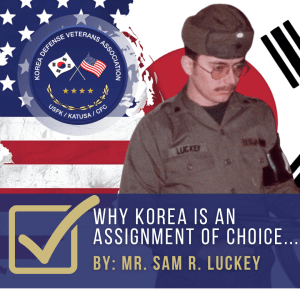
Why Korea is an Assignment of Choice – By Sam R. Luckey

Why Korea is an Assignment of Choice – By Mr. Sam R. Luckey

In August 1976, after the DMZ tree-trimming incident, I enlisted with delayed entry so I could finish high school and join the Military Police with 8th Army. I graduated high school in spring 1977, completed Basic Training that summer, MP school in the fall, and arrived in Korea in December. I was assigned to the 110th MP Company at Camp Ames Korea, guarding nuclear components near Chong Dong Ni. It was far from the DMZ, and most of my duty was tower guard—half my shift in the towers, half training to retake hot igloos and similar drills.

In 1981, after two years as a Desk Sergeant at Fort Bliss, I returned to Korea with the 2nd Infantry Division as a Traffic Accident Specialist out of the Provost Marshal’s Office at Camp Casey. I loved that job—investigating accidents, running radar, escorting VIPs, and even flying by helicopter to apprehend AWOL soldiers when that slot was unfilled. My first tour had been tough; my second, I worked constantly and took pride in the mission.

After Korea, I was assigned to 7th Army Europe, where I worked Railway Military Police across Europe—my favorite job in uniform. I was later accepted into CID school and became Team Chief of the Drug Suppression Team at the Frankfurt CID office. After more than 11 years of active duty and hundreds of drug-related arrests in Europe, I left the Army, finding stateside duty too quiet.

One case that still puzzles me involved a strange accident near Camp Casey, when a North Korean tank ended up in a U.S. motor pool and struck a 2½-ton truck. I even posed with the AK-47 removed from it. I’ve always wondered whether it was part of a Military Intelligence or Counterintelligence operation, and I still hope someone from the 501st MI can explain what really happened.

I chose Korea partly because the Vietnam War had ended and I wanted to serve overseas. Growing up in Gary Indiana during a violent period, Korea seemed safer than home. In the end, two tours in Korea and two in Europe shaped me into a better MP, Desk Sergeant, Investigator, and CID Special Agent. I only served 11 years, but those assignments defined my life, and I still hope to return to Korea one day.


Why Korea is an Assignment of Choice ? Let us know –

This initiative invites current and former Service Members, civilians, diplomats, and families to share their stories and reflections on why serving in Korea — whether with United States Forces Korea (USFK) or at the U.S. Embassy in Seoul — was one of the most meaningful and rewarding chapters of their lives.

Whether your experience involved joint operations, discovering the beauty of Korean culture, forging lifelong friendships, or contributing to one of the world’s strongest alliances, we want to hear from you!


Share Your Story by Telling Us:

  • What was your initial reaction upon learning that you were going to Korea?
  • Why did you have that reaction?
  • What did you know about Korea?
  • Was there an “aha!” moment that made you think that being in Korea was good?
  • How did serving and living in Korea shape your career, life, or worldview?  And your family’s?
  • What experiences left a lasting impression, good or bad?

Submissions can be written, video-recorded, or even a simple quote with a photo. Selected stories will be featured on all KDVA social media platforms, our website, and Journals.

How to Submit:

Email your story to KDVAKoreaChoice@gmail.com and tag us on social media using #KDVAKoreaAssignmentOfChoice.

There is no deadline.  We will keep this going because we will not run out of stories from the millions of people who have served in Korea over the past 75 years!

Help us show the world why Korea isn’t just an assignment — it can be life changing!


Read more

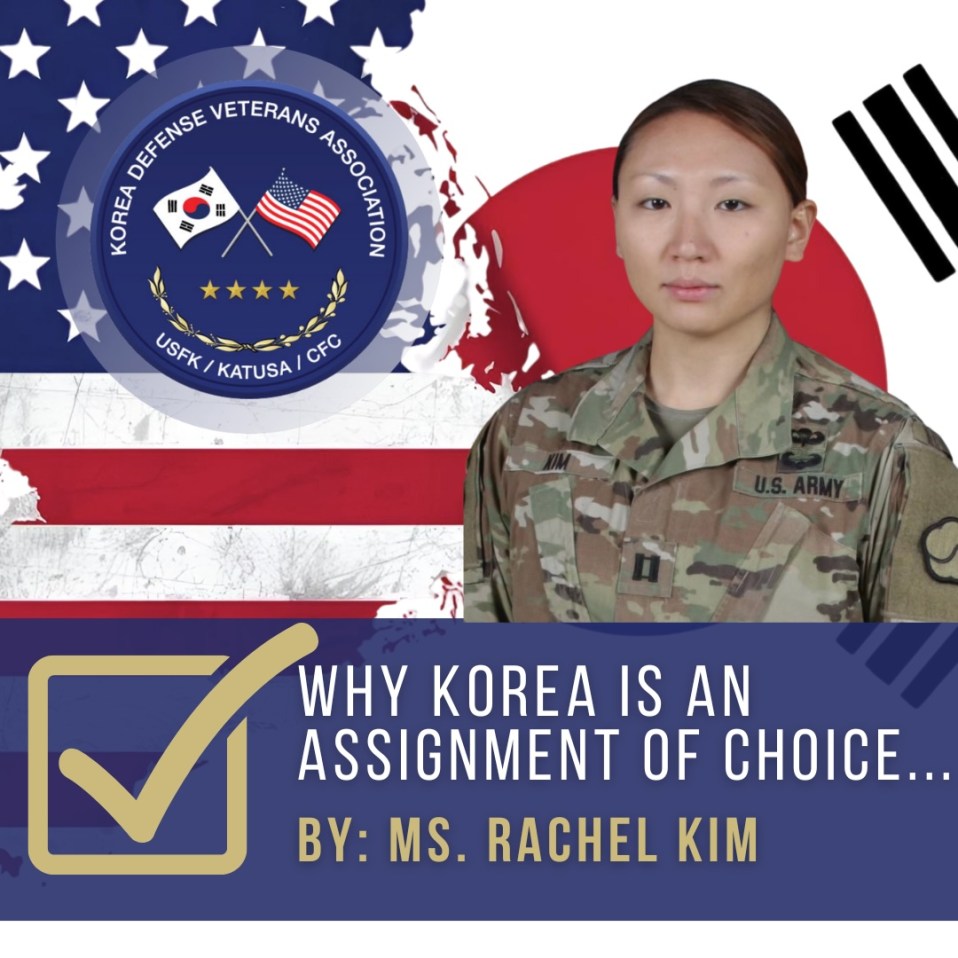
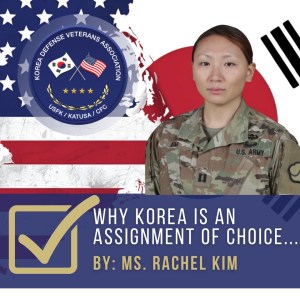
Why Korea is an Assignment of Choice – By Rachel Kim

Why Korea is an Assignment of Choice – By Ms. Rachel Kim

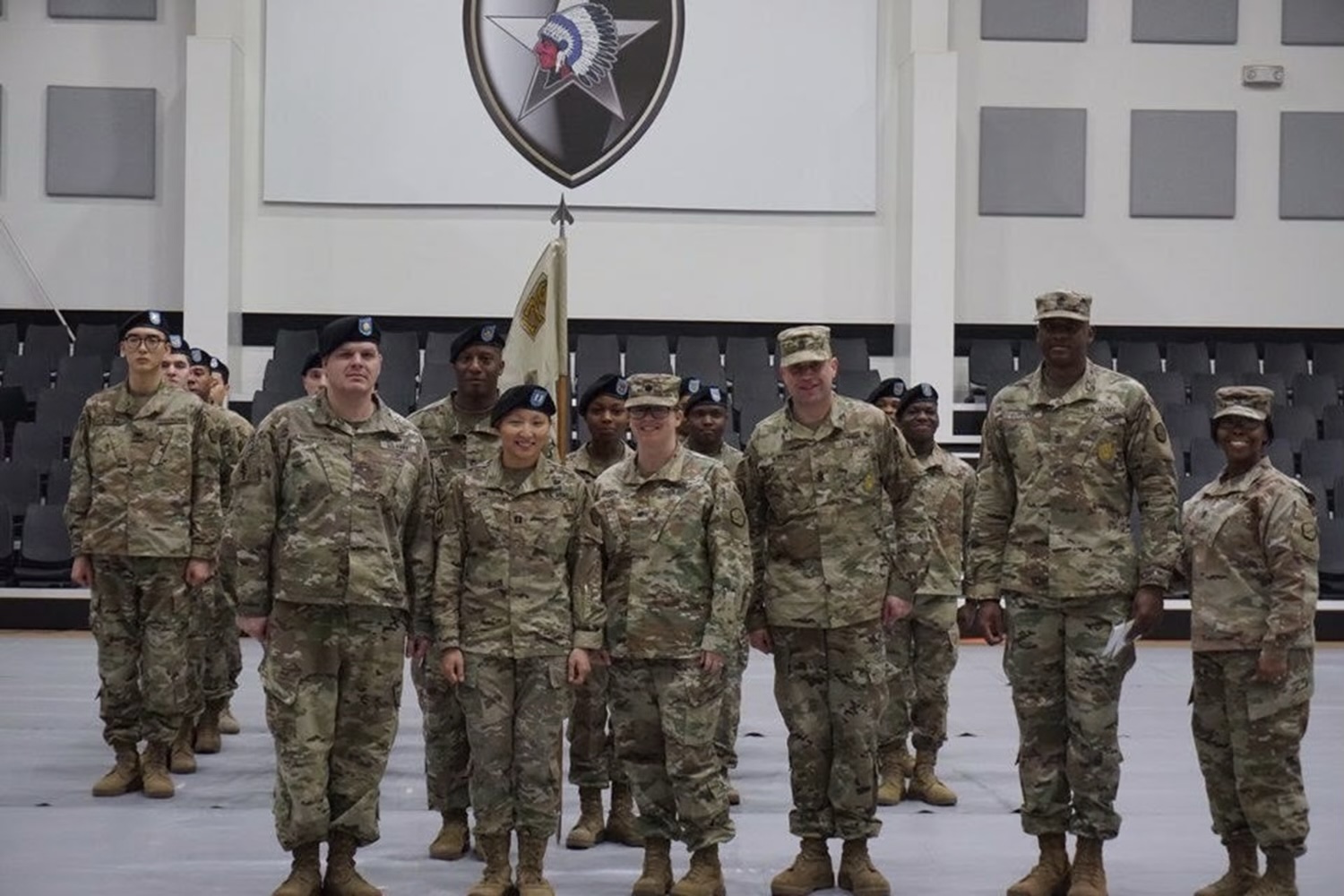
One of my goals as a young officer was to command in Camp Casey—the same post where my grandfather served during the Korean War (see his story below and attached photos). When I finally received that opportunity, my grandfather had already passed away from cancer. I never had the chance to share that moment with him, but serving in Korea allowed me to understand, in a much deeper way, what his generation fought for and what the U.S.–ROK alliance truly means.

Professionally, serving in Korea taught me just how essential this alliance is, especially in today’s geopolitical environment. That understanding has stayed with me—from teaching macroeconomics at West Point to now working in defense acquisition within the international defense industry. I saw firsthand how the alliance is not just a military commitment; it is a living system shaped by economics, domestic politics, diplomacy, and the will of our people.

Personally, as a Korean American in the active-duty Army, my time in Korea gave me a sense of responsibility and pride. I realized the value of bringing a nuanced perspective to the U.S.–ROK relationship—one that understands both the history and the cultural dynamics that continue to shape it. It also opened my eyes to how much our world has evolved. Soft power, public sentiment, and civil–military understanding now play enormous roles in sustaining alliances. These elements matter just as much as strategy or force posture.

But I also learned that we cannot rely solely on history or past sacrifices to carry the alliance forward. Its strength depends on how we continue to evolve together—how we honor the principles that underlie the relationship and how those principles manifest culturally, politically, diplomatically, and economically. Alliances have to be practiced, reinforced, and lived out across all facets of society.

Serving in Korea helped me see that the U.S.–ROK alliance is not just a strategic partnership; it is a shared story still being written. And each generation—Soldiers, families, communities—has a role in ensuring that story continues.


Why Korea is an Assignment of Choice ? Let us know –

This initiative invites current and former Service Members, civilians, diplomats, and families to share their stories and reflections on why serving in Korea — whether with United States Forces Korea (USFK) or at the U.S. Embassy in Seoul — was one of the most meaningful and rewarding chapters of their lives.

Whether your experience involved joint operations, discovering the beauty of Korean culture, forging lifelong friendships, or contributing to one of the world’s strongest alliances, we want to hear from you!


Share Your Story by Telling Us:

  • What was your initial reaction upon learning that you were going to Korea?
  • Why did you have that reaction?
  • What did you know about Korea?
  • Was there an “aha!” moment that made you think that being in Korea was good?
  • How did serving and living in Korea shape your career, life, or worldview?  And your family’s?
  • What experiences left a lasting impression, good or bad?

Submissions can be written, video-recorded, or even a simple quote with a photo. Selected stories will be featured on all KDVA social media platforms, our website, and Journals.

How to Submit:

Email your story to KDVAKoreaChoice@gmail.com and tag us on social media using #KDVAKoreaAssignmentOfChoice.

There is no deadline.  We will keep this going because we will not run out of stories from the millions of people who have served in Korea over the past 75 years!

Help us show the world why Korea isn’t just an assignment — it can be life changing!


Read more

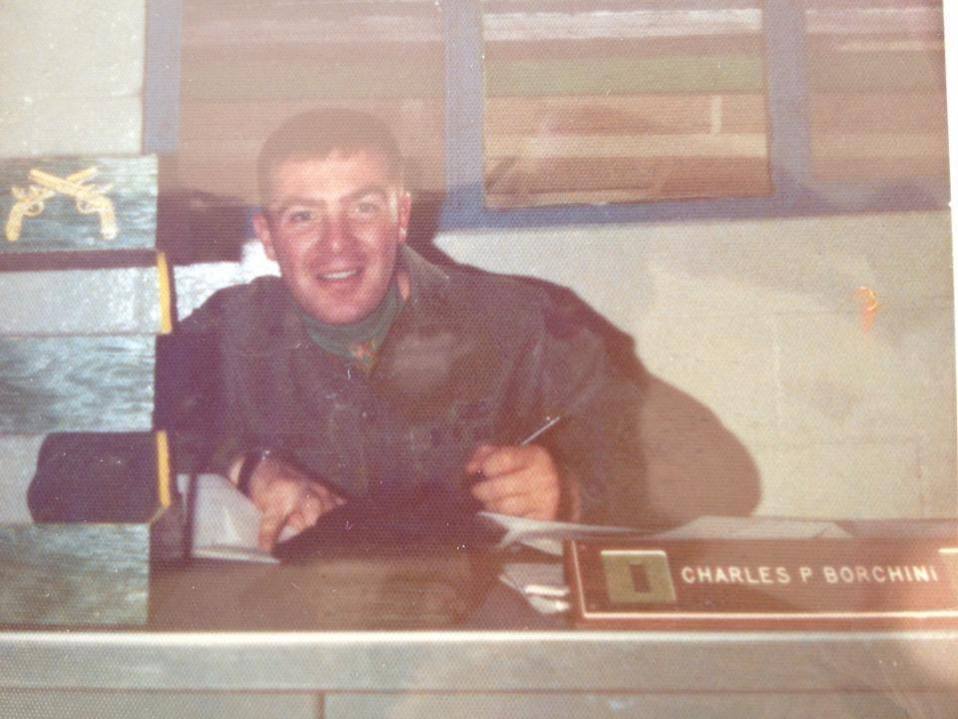
Why Korea is an Assignment of Choice – By Charles P Borchini

Why Korea is an Assignment of Choice – By Charles P Borchini, Col, USA Retired

How Korea Shaped & Impacted My Life
Korea has had a POSITIVE LIFELONG impact on my life and that of my family.

My Aunt served in Korea with the Eighth Army Ordinance Office from 1962-1963. I remember

her talking about Korea and its people, and telling us about the churches she attended, to

which she continued to donate long after she returned to the states.


After I graduated from college in 1972 (with a low lottery number and a draft notice), I

enlisted in the Army and went to basic training at Ft Jackson, OCS and Airborne school at Ft

Benning and the MP Officer Orientation Course at Ft Gordon. My first assignment was as an

MP lieutenant with the 759th MP Bn at Ft Dix. I still remember many of the NCOs in my

company and battalion telling me about their tours in Korea. In 1975 while our battalion was

deployed to Ft Indiantown Gap to support Joint Task Force New Arrivals, the Vietnamese

Resettlement operation, I received my orders to Korea and I was ecstatic.


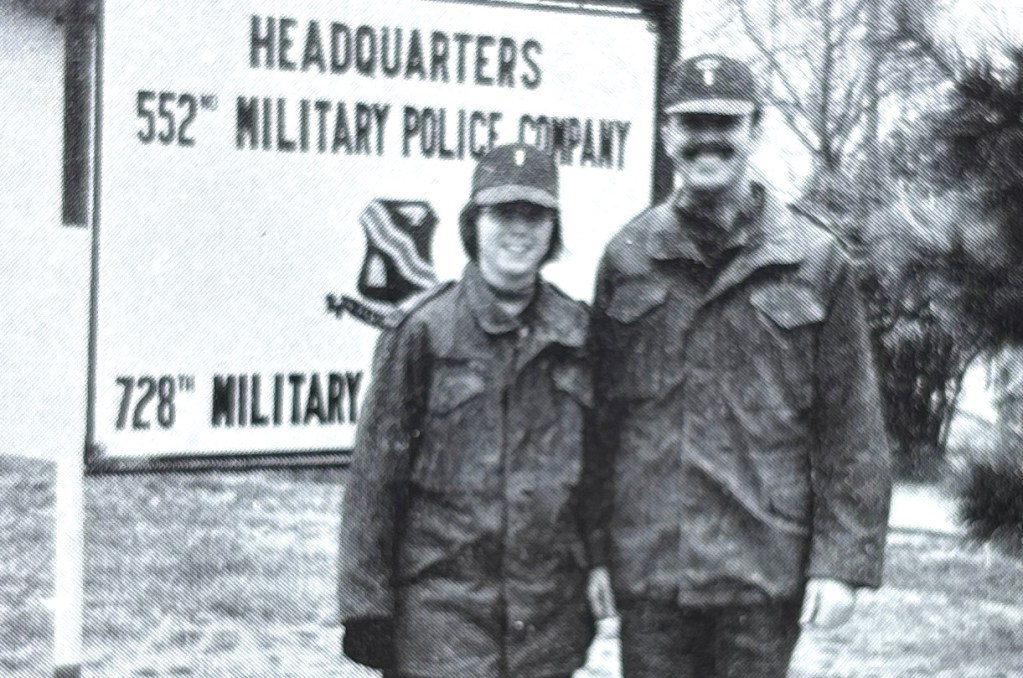
I arrived in Korea in April 1976 and was assigned as XO of Company C, 728th MP Bn located

on Hialeah Compound in Pusan. Our company was responsible for MP combat support and

law enforcement in the Pusan area. Our MPs guarded US military equipment that was

transported all across Korea from Pusan to the DMZ on the Korean National Railway, often

sleeping on open flat cars underneath large vehicles. When US Navy ships came to the

Pusan port, our MPs patrolled the bar districts where things usually got pretty exciting. We

trained in route reconnaissance, convoy security, land navigation and POW operations. In

August 1976 after the Ax Murder incident in Panmunjom, we tightened up security on all of

the facilities in the Pusan area and significantly increased our training and readiness. Our

company ran the Mess Hall for all of the units assigned to Hialeah Compound. We had a

fabulous Mess Sergeant and under his leadership our Mess Hall won every Mess Hall award

in Korea and the Pacific region, ultimately winning the Connelly Award for best small mess in

the Army in 1977. Gen Vessey, the CINC, came to our company to present us with the award.

Like many units in Korea, our company sponsored a local orphanage where our MPs

volunteered and donated funds. We also raised funds from across the entire Pusan military

community by sponsoring an annual AFKN radio marathon.


In January 1977 my replacement, Susan Anderson, arrived in Pusan and I was reassigned as

the Operations Officer at the Pusan Provost Marshal Office. Susan and I fell and we married

in August 1977. We both LOVED Korea and the Korean people and were terribly sad when

our assignments in Korea ended and we returned to the states.


In June 1986 we returned to Korea with three children. I was assigned to the 728th MP Bn on

Camp George in Taegu where I served as the Battalion Operations Officer and Executive

Officer. We had a wonderful two years in Korea. As S3 and XO I traveled throughout the

country, conducting night land navigation training, mobile weapons firing and quarterly squad

competitions. I often visited our companies located on Camp Humphries, Camp Carroll,

Camp Walker and Hialeah Compound. One of our units on Camp Humphries ran the 8thArmy Confinement Facility; we spent quite time there inspecting and auditing the prisoners’

accounts and responding to frequent Congressional Inquiries the prisoners submitted. My

family and I traveled to Seoraksan and flew on US Air Force hops from Osan to Japan and

the Philippines, visiting Tokyo Disneyland and Grande Island.


After we returned to the states, I was assigned to the 4th PSYOP Group at Ft Bragg and

visited Korea many, many times for exercises and planning. I met with the CINC, coordinated

with the Combined Forces Command staff and the ROK Army PSYOP Group and visited their

loudspeaker installations along the DMZ.


The last assignment I had in the Army before I retired was as Deputy Director of the 50th

Anniversary of the Korean War Commemoration Committee. Our committee coordinated and

ran many events and ceremonies to honor Korean War Veterans. We met several times in

the US and Korea with Gen Paik Sun Yup and the Korean Government’s Commemoration

Committee. We met many Korean War Veterans, including Senator John Warner from

Virginia and Congressman Charlie Rangel from NY. On June 25th 2000, we had a huge

ceremony in Washington, DC at the Korean War Veterans Memorial where President Clinton,

Sen John Glenn, who was a Korean War Veteran, the Chairman of the Joint Chiefs of Staff

and Korean War Veterans spoke. This assignment was extremely rewarding and moving

because of the many Korean War Veterans we met.


In September 2025 my wife Susan and I were blessed to return to Korea as part of the Korea

Revisit program sponsored by the Korean War Veterans Association and the Ministry of

Patriots & Veterans Affairs. It was a SPECTACULAR visit, beyond anything we could have

imagined. Almost everything has changed in Korea since the 1970s and 80s, high rise

buildings, new train stations, high speed bullet trains and state of the art industries building

ships, military hardware, automobiles and appliances. The modernization is a tribute to the

determination of the Korean people and the umbrella of protection provided by those who

served in Korea over the past 75 years.


My first sights of Korea remain with me today, of farmers up to their waists in rice paddies

with oxen and plows, with women balancing baskets on their heads, motorcyclists carrying

drunk pigs and stacks of baskets on the back of their motorcycles, and every shop we walked

into had a framed picture of Gen MacArthur hanging over the doorway. The Korean people

are the most hard working people I’ve ever met. During this last visit, the one thing that

impacted me the most was the deep gratitude the Korean people have for those who fought

and served in Korea. In the past, every time I left Korea, I had tears in my eyes wondering if I

would ever return. Now when I think about Korea, I have a big smile on my face and feel that

my wife and I did our jobs. We played a small part in helping Korea to become a strong,

vibrant, free, democratic society with state of the art housing, roads and industries and high

quality of life for its people. Thank you Korea!

Why Korea is an Assignment of Choice ? Let us know –
This initiative invites current and former Service Members, civilians, diplomats, and families to share their stories and reflections on why serving in Korea — whether with United States Forces Korea (USFK) or at the U.S. Embassy in Seoul — was one of the most meaningful and rewarding chapters of their lives.

Whether your experience involved joint operations, discovering the beauty of Korean culture, forging lifelong friendships, or contributing to one of the world’s strongest alliances, we want to hear from you!


Share Your Story by Telling Us:

  • What was your initial reaction upon learning that you were going to Korea?
  • Why did you have that reaction?
  • What did you know about Korea?
  • Was there an “aha!” moment that made you think that being in Korea was good?
  • How did serving and living in Korea shape your career, life, or worldview?  And your family’s?
  • What experiences left a lasting impression, good or bad?

Submissions can be written, video-recorded, or even a simple quote with a photo. Selected stories will be featured on all KDVA social media platforms, our website, and Journals.

How to Submit:

Email your story to KDVAKoreaChoice@gmail.com and tag us on social media using #KDVAKoreaAssignmentOfChoice.

There is no deadline.  We will keep this going because we will not run out of stories from the millions of people who have served in Korea over the past 75 years!

Help us show the world why Korea isn’t just an assignment — it can be life changing!


Read more

Why Korea is an Assignment of Choice – By Jeffrey Layne

Why Korea is an Assignment of Choice – By Mr. Jeffrey Layne

It was late fall of 1985. Basic training and Airborne school were over, and I was a newly minted Infantry Paratrooper waiting for my first duty assignment.  Fingers crossed I would be heading to Ft. Bragg with the 82nd Airborne Division, or some other Airborne such as in Italy. Nope. Not for me. I was told my duty station was with the 1/23rd Infantry, 2nd Infantry Division – Korea.  Wait…what?  Korea?  Why Korea?  That is not an airborne assignment and initially, I was very disappointed simply because I had hoped to be assigned to an airborne unit along with my friends.

Before leaving for Korea, I remember a senior sergeant tell me that Korea was, “the Army’s best kept secret” in terms of duty stations and life experience. The “Aha!” moment hit me as soon as my unit started its DMZ mission. The Cold War was still very active, and this was a real-world mission in an active hostile zone. The reality struck me this was a chance to be a part of something important…the defense of the Korean people.

There were many experiences that left lasting memories and impressions on me. Some I can still vividly relive in my mind. One time was during training. Being infantry, we would often go out on extended field training exercises. Many times, while in the field, we were bored. Having something like books, and especially Walkman cassette players or radios, really helped pass the hours of boredom. One time, I remember I spent pretty much an entire day parked in my gun jeep outside of someone’s house. I was told to stay there and wait for further instructions. While waiting, a young boy came out of the house. I figured he must have been about 4 or 5 maybe. Well, the little boy was curious about me. After showing him various pieces of equipment, weapons, radios, etc., he climbed up into the front passenger seat of my jeep. He had really taken a liking to my Walkman player. There he sat most of the day listening to music, which consisted mostly of 80’s pop and old country music. Thank goodness I had extra batteries and tapes. The little boy really was having the time of his life sitting with me, listening to music, and just watching whatever I was doing. After several hours of just hanging out with me, I broke into some MREs (field rations) because I was getting hungry. He shared in this wonderful “Army dining experience” and didn’t seem to mind the quality of the food much. He was more thrilled with its novelty.

What I remember most from that day was that after a while, his mother came out of the house. She had obviously been aware he was hanging out with me in their front yard. As she came to greet me, she came with hot food! Being it was a chilly day, and I had not had any hot food in days, it was such a joy for me. It was not only very thoughtful of her, but it was so comforting to me. Personally, I was always the type of person that loved trying different foods and had really grown to love Korean meals. I think perhaps I enjoyed eating new Korean foods as much (if not more) than that little boy enjoyed trying Army field rations. After a good, hot meal, she went back inside and took her son with her. As he left, I handed him my Walkman with a few extra batteries and tapes. I tried to tell his mother it was my gift to him. He was all smiles.

Later that evening as I was getting ready to sleep in the back of my jeep, this little boy came out of the house to not only return my Walkman, but he gave me a hug. I was pleased at how thankful he was, and I am sure his mother told him to return my Walkman before his bedtime. But I simply thanked him again for the hug and sent him back inside…with the Walkman. I remember trying to tell him it was a gift. He had a huge smile and ran back into his house again. Sometime well after dark, we received orders to move. I jumped into the driver’s seat and drove off to my next position. I’m sure that little boy came looking to see if I was still outside the next morning. But I was gone and would never see him again. I sometimes wonder if he remembers that day and the boredom we shared together. I always remembered.

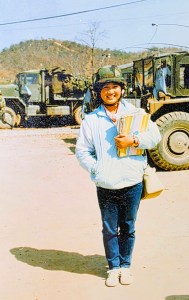
Serving in Korea taught me so many things. It taught me personal sacrifice, loyalty, duty, honor…and it taught be I could love another country and its people as much as my own. It taught me that despite cultural differences, people are very similar. Good food, sharing a drink together, and learning to communicate with one another despite language difference can still bridge nations, and build lifelong friendships. I remember so many times sharing meals with the KATUSA soldiers who had become close friends. I even remember the smiles on the face of the young girl that braved the DMZ to bring us newspapers. She would arrive with newspapers in hand, wearing the helmet we provided, and waved in greeting to us as she walked through the base. It opened my eyes to a whole new world, and that t be respected, you must first respect others despite differences. I learned to love the differences because of my time in Korea.


Why Korea is an Assignment of Choice ? Let us know –

This initiative invites current and former Service Members, civilians, diplomats, and families to share their stories and reflections on why serving in Korea — whether with United States Forces Korea (USFK) or at the U.S. Embassy in Seoul — was one of the most meaningful and rewarding chapters of their lives.

Whether your experience involved joint operations, discovering the beauty of Korean culture, forging lifelong friendships, or contributing to one of the world’s strongest alliances, we want to hear from you!


Share Your Story by Telling Us:

  • What was your initial reaction upon learning that you were going to Korea?
  • Why did you have that reaction?
  • What did you know about Korea?
  • Was there an “aha!” moment that made you think that being in Korea was good?
  • How did serving and living in Korea shape your career, life, or worldview?  And your family’s?
  • What experiences left a lasting impression, good or bad?

Submissions can be written, video-recorded, or even a simple quote with a photo. Selected stories will be featured on all KDVA social media platforms, our website, and Journals.

How to Submit:

Email your story to KDVAKoreaChoice@gmail.com and tag us on social media using #KDVAKoreaAssignmentOfChoice.

There is no deadline.  We will keep this going because we will not run out of stories from the millions of people who have served in Korea over the past 75 years!

Help us show the world why Korea isn’t just an assignment — it can be life changing!


Read more

Why Korea is an Assignment of Choice – By Mr. Rick Hansen

Why Korea is an Assignment of Choice – By Mr. Rick Hansen

When I first learned I was going to Korea in March 1967, I was at Fort Ord awaiting orders for Vietnam. The announcement came at 2:00 A.M., jolting us awake with word that orders had changed and we needed to be up and in formation within minutes. My first feeling was simple exhaustion. My second was fear, because I knew very little about Korea. My third feeling was resignation—knowing there was nothing I could do to change the orders, and realizing that, in the long run, Korea might be better than Vietnam.

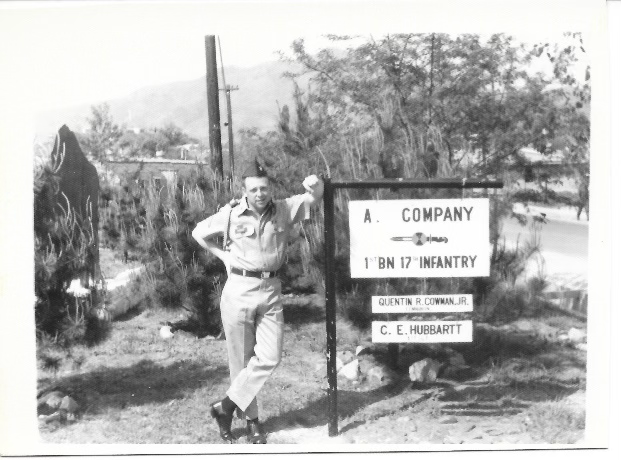
Between March 1967 and April 1968, I served on the DMZ in A Company, 1st Battalion, 17th Infantry at Camp Kaiser. I began my tour as an E-3 infantryman assigned to an APC unit. Within six months, I was selected to serve as the company clerk, a position I held until I left the unit in April 1968 as a Sergeant (E-5). Following my duty in Korea, I was assigned to Fort Lewis, Washington, as a rifle range instructor.

My memories of Korea run the gamut from loneliness to enjoyment as I made new friends from all parts of the United States. I remember the intense heat of summer, the “wet bulb” alerts when it was too hot to train outside, and the bitterly cold winters when my clothing seemed to weigh more than I did. When I was out in the field executing maneuvers, the C-rations—complete with their small pack of five cigarettes—actually tasted good, at least as I recall.

My true “aha” moment in Korea came during field training on the DMZ. Seeing North Korea so close gave me the realization that I was part of a very different kind of war. There were no hot bullets flying, but the danger was real—sometimes only a hundred yards away. In that moment, it became very clear to me that I was there for a reason and had a mission to fulfill.

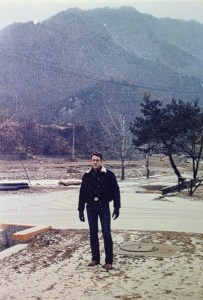
I took many photos while stationed near the DMZ, which sat untouched in “storage” for many years. Recently, I opened my Korea box and found myself reliving those memories. I selected six pictures to share with the KDVA group. The first photo was taken during a May 1967 field exercise. Local children were always curious about what we were doing. Despite the language barrier, we managed to communicate through smiles, hand gestures, and the occasional leftover C-ration.

We went on many field exercises along the DMZ during my time there. One particularly welcome sight was the Donut Dolly, who arrived with fresh donuts that did wonders for morale. I’m not sure where they were made—possibly Camp Casey—but they were always a treat.

Before leaving Korea, I took a three-day pass and traveled by bus to Seoul. One photo shows me standing in front of an ancient landmark, proudly wearing a handmade suit I had made there. I can’t recall the name of the landmark anymore, and I certainly no longer fit into that beautifully tailored suit.

I also selected two photos featuring members of my squad. One shows us bundled up for a DMZ division exercise in January 1968—we all walked like penguins. The other was taken on Christmas Eve 1967, with our squad dressed for church. After the service, we celebrated with cookies from home and American beer.

The final photo is of me standing by our Camp Kaiser unit sign. Shortly after that picture was taken, there was a change in commanding officers. Most of my time in Korea was under the leadership of Lieutenant Moss. As the company clerk, I got to know him better than most, since my desk was located in a small building shared with the company leadership.

When I left Korea in April 1968, my lasting impression was one of sorrow—for the country and its people. Because I spent little time in Seoul, I assumed much of the country was as bleak as the DMZ. At that time, I had no desire to ever return.

In the decades since the Korean Conflict, with the help of many nations, South Korea has become a world leader in technology, contributing to a safer and more comfortable world. The resourcefulness of its people has carried the country proudly into the 21st century.

Today, I am grateful for the opportunity to revisit Korea and to share those long-ago experiences with my wife—this time as a tourist, and not as an E-5.


Why Korea is an Assignment of Choice ? Let us know –

This initiative invites current and former Service Members, civilians, diplomats, and families to share their stories and reflections on why serving in Korea — whether with United States Forces Korea (USFK) or at the U.S. Embassy in Seoul — was one of the most meaningful and rewarding chapters of their lives.

Whether your experience involved joint operations, discovering the beauty of Korean culture, forging lifelong friendships, or contributing to one of the world’s strongest alliances, we want to hear from you!


Share Your Story by Telling Us:

  • What was your initial reaction upon learning that you were going to Korea?
  • Why did you have that reaction?
  • What did you know about Korea?
  • Was there an “aha!” moment that made you think that being in Korea was good?
  • How did serving and living in Korea shape your career, life, or worldview?  And your family’s?
  • What experiences left a lasting impression, good or bad?

Submissions can be written, video-recorded, or even a simple quote with a photo. Selected stories will be featured on all KDVA social media platforms, our website, and Journals.

How to Submit:

Email your story to KDVAKoreaChoice@gmail.com and tag us on social media using #KDVAKoreaAssignmentOfChoice.

There is no deadline.  We will keep this going because we will not run out of stories from the millions of people who have served in Korea over the past 75 years!

Help us show the world why Korea isn’t just an assignment — it can be life changing!


Read more

Why Korea is an Assignment of Choice – By Mr. Rick Bogusky

Why Korea is an Assignment of Choice – By Mr. Rick Bogusky

I am writing this nearly 50 years after getting my initial assignment to Korea, and I could not have imagined the lifelong journey it would become.  Prior to graduating from West Point, I selected Field Artillery as my branch and desired an overseas base for my first assignment.  Although the 4th Missile Command in Korea was available, I wanted to be in a tube artillery unit (versus missiles) and ultimately chose Fort Sill, OK.  The Field Artillery Officer Basic Course (FAOBC) was also at Fort Sill, and upon graduation, I would remain at one of the battalions there.  Halfway through FAOBC, there was a call for volunteers for overseas assignments to Greece, Turkey, Italy, and Korea.  Along with many others, I submitted my name and within days was notified that I was going to Korea but would first spend a year at the Defense Language Institute (DLI) learning Korean.  Korea, and the Orient in general, was fascinating to me simply because I knew next to nothing about it—it was totally foreign in every sense of the word, and I was excited to go there.  The year at DLI introduced me to the Korean culture, people, and food.  My native Korean instructors were amazing and taught me more than just the language.  Their sincere friendship and mentoring made me realize that volunteering (they say ‘Never volunteer for anything in the Army’) and subsequently being selected for the Korea assignment was a Godsend.  Little did I know then how true that would be.  

In Korea, I was assigned to the Weapons Support Detachment-Korea (WSD-K) in Camp Page, home of the 4th Missile Command.  As fate would have it – although 4th Missile Command had deactivated prior to my arrival – I ended up at the very place I initially dismissed.  Camp Page was a small installation in the beautiful city of Chuncheon, the capital of Kangweon Province, the northeastern province of South Korea.  When I left the replacement center in Seoul and took the long bus ride on a narrow, winding road to Camp Page, I marveled at the natural beauty of the countryside.  While assigned to WSD-K, I saw much more of the country and would travel the dirt and gravel roads from coast to coast in the northern area near the DMZ.  Because our unit worked exclusively with Republic of Korea (ROK) artillery units, our training missions had us drive or fly to designated ROK sites to jointly conduct fire missions.  An Army UH1 battalion was located at Camp Page and getting a flying mission was always preferable to going by land, but I enjoyed traveling the beautiful countryside either way.  The opportunity to work with the ROK Army as a young officer instilled in me how professional and hard working these brothers in arms are.  That impression continued to build over the decades of working side by side with my ROK colleagues, and some of those friendships continue to this day.

Not long after arriving at Camp Page, an officer who was about to depart asked if I would be interested to taking over his English class at a small institute in town. It was a great opportunity to get out into the community and interact with college students preparing for post-graduation jobs.  Since all ROK males were drafted and normally did their military time in the middle of their college years, most of the men in the class were my age.  In Korean organizations, even informal ones, there is always someone in charge, and I became good friends with the class leader, Kim Myong-Soo, better known as Michael.  Initially I taught two evenings a week at the institute, and Michael soon asked if I would also teach his classmates at the Business Administration Department at Kangweon National University.  I agreed and added another weekday evening and Saturday afternoon.  This was mostly done gratis and when it did not interfere with my military duties.  Halfway through my tour, the head of the Korean Department at DLI visited Korea and met his old classmate who was President of Kangweon National Bank in Chuncheon.  He invited me to dinner with him and upon his suggestion, I began teaching English to the bankers.  During my first tour, I had more opportunities and interactions with the ROK military and civilian community than I could ever have imagined.  

One day Michael mentioned that I probably knew his sisters.  I asked how that could be, and he said they both attended the chapel services on Camp Page.  One sister was a music major and was contracted to play the piano at all the services. The other sister and a few more classmates served as the choir.  The next Sunday, I introduced myself and asked them to join our English class at the university.  It is a long story for another time, but I eventually got engaged to the sister who sang in the choir (Joanna) and a year after my first Korean tour ended, I returned to Korea on leave for her college graduation and our wedding.  Now, after nearly 46 years we enjoy life with our two boys and their families with five grandchildren.

After Korea I went to Fort Carson and from there, I went to the Officer Advanced Course (OAC).  I commanded a battery at Fort Carson and was therefore able to request—and was approved for—early entry into the Foreign Area Officer (FAO) career field.  Following OAC I went to Fort Bragg for the FAO course and graduate school.  From there my first FAO assignment was the Deputy G5 in the 2nd Infantry Division at Camp Casey, Korea.  At that time, the G5 was responsible for civil affairs, and thus I was involved with working with the local governments in the 2ID area and resolving issues such as maneuver damage with the Korean citizens. The most trying experience during that year came one evening when I went to Uijongbu to meet with a family of a young woman who had been murdered that day on a US installation.  My Korean cultural experiences were expanded in the blink of an eye.  

As a field artillery officer and a FAO, Korea was the ideal “assignment of choice.”  Following my time in the G5 at Camp Casey, I extended my tour for another battery command with the 6/37th FA Battalion at Camp Essayons in Uijongbu.  (The same camp where the young woman was murdered.)  I had two more military assignments in Korea—in ’91-’92 as Executive Officer (XO) with the 1/15th FA Battalion at Camp Casey and ’96-’98, for one year as XO for the ROK Deputy Commander, Combined Forces Command (CFC), and one year as an Army War College Fellow at the Korea Institute for Defense Analyses in Seoul.

My stateside FAO assignments offered many opportunities to return to Korea on TDY, and in my last active duty assignment, I escorted two different Army Chiefs of Staff on official visits to Korea.  As fate would have it, GEN Kim Dong-Shin was the ROK Army Chief of Staff at the time, who was previously my boss when he was the Deputy Commander, CFC.  I had stayed in contact with him so preparation for the U.S.-ROK counterpart meetings was easy.  GEN Kim and I remain close to this day.  I consider him more than anyone as my professional mentor and someone I deeply respect and care for.

After military retirement and another civilian career, I returned to Korea as a civilian contractor supporting CFC from 2013 to 2017.  During that time, both of my sons who are Air Force officers also served in CFC.  For a six-month period, all three of us overlapped in serving the Command.  

Korea has been the center of my career, my life, and my family.  Little did I know that when I volunteered back in 1976 for an overseas tour that I was in for the most life-altering and wonderful years ahead.  Yes, Korea has been an assignment of choice for me in so many ways, and I know many others have similar experiences.  I still have family and friends in Korea and this past April, Joanna and I returned with our two oldest granddaughters in time to participate in the spring cleanup of the family’s mountain gravesite with Michael and other brothers and their families.  It is a duty I cherish in honoring Joanna’s parents and other deceased family members.  I am bound to that hallowed ground, because etched on a granite pillar at the gravesite is a family history going back generations including the names in Hangul: “Rick and Joanna Bogusky and their sons Andy and Richie.”  In many ways, that inscription captures what service in Korea has meant to me beyond professional fulfillment—it represents the living bond between two nations that gave me purpose, perspective, and the people I hold most dear. What began as a simple assignment became a lifelong journey, one that shaped not just my career, but my life. For me, Korea is more than an assignment of choice; in so many ways it chose me.

Photo caption:  Granddaughters pointing to the Bogusky name on gravesite marker.


Why Korea is an Assignment of Choice ? Let us know –

This initiative invites current and former Service Members, civilians, diplomats, and families to share their stories and reflections on why serving in Korea — whether with United States Forces Korea (USFK) or at the U.S. Embassy in Seoul — was one of the most meaningful and rewarding chapters of their lives.

Whether your experience involved joint operations, discovering the beauty of Korean culture, forging lifelong friendships, or contributing to one of the world’s strongest alliances, we want to hear from you!


Share Your Story by Telling Us:

  • What was your initial reaction upon learning that you were going to Korea?
  • Why did you have that reaction?
  • What did you know about Korea?
  • Was there an “aha!” moment that made you think that being in Korea was good?
  • How did serving and living in Korea shape your career, life, or worldview?  And your family’s?
  • What experiences left a lasting impression, good or bad?

Submissions can be written, video-recorded, or even a simple quote with a photo. Selected stories will be featured on all KDVA social media platforms, our website, and Journals.

How to Submit:

Email your story to KDVAKoreaChoice@gmail.com and tag us on social media using #KDVAKoreaAssignmentOfChoice.

There is no deadline.  We will keep this going because we will not run out of stories from the millions of people who have served in Korea over the past 75 years!

Help us show the world why Korea isn’t just an assignment — it can be life changing!
 

Read more