


 I was a Specialist Fifth Class stationed with B Company, 55th Maintenance Battalion at Camp Humphreys (K-16). I was awarded a 3-Day Pass and decided to use it for a trip to see Seoul, South Korea. I took a civilian bus from Angung-ri. The air was cool and crisp, the kind that made you think about football. I thought about how lucky I was to wear civilian clothes off post. The units at the DMZ were required to wear their fatigue uniforms; no civilian clothes were allowed.
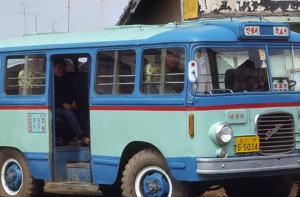
The bus pulled out of the bus station just after sunrise, its engine groaning as it climbed the narrow road out of Angung-ri. I looked through the window as Korea rolled by in shades of early fall, passing rice paddies which were now empty from the harvest, and the occasional farmer guiding an ox through the deep brown soil. I watched the countryside blur past, the villages stitched together by winding roads and telephone wires. I saw children bundled in quilted Hanbok, waving as the bus passed, and old men squatting by roadside fires, sipping tea from tin cups. I noticed Korea had few trees for a country with so much vacant land.
The ride to Seoul took nearly three hours, winding through hills and towns that smelled of wood smoke, charcoal, and fermented cabbage. Some of the passengers dozed, but I stayed alert, absorbing the unfamiliar terrain with keen interest. I’d been stationed at Humphreys for about five months, arriving in late May of 1969; I had earned my three-day pass with long hours climbing all over UH-1 Hueys, U-6 Beavers, and CH-47 Chinooks, my hands blackened with grease and grit. Seoul was a promise of hot food, cold beer, and maybe a glimpse of something beyond the flight-line and hangar, my first real taste of Korea beyond the perimeter fence.
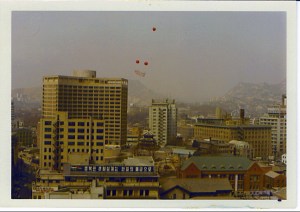
As the bus crested a final ridge, the city unfolded below like a living map, Seoul, sprawling and electric, pulsing with life. The skyline was a mix of low concrete buildings and ancient tiled roofs, with the occasional high-rise poking through like a tooth in a crooked smile. Vendors lined the streets, their carts steaming with Odeng (Fish Cakes) and Tteokbokki (Spicy Rice Cakes), and the air buzzed with a language I didn’t speak but was beginning to understand in gestures and rhythm. They called out in melodic Korean, the scent of grilled bulgogi curling through the air, and neon signs flickering in Hangul script like coded messages from another world.
The bus stopped at an area central to the many of the major sights. I stepped off the bus and navigated my way to the Namdaemun Market, where the crowd swallowing me instantly. The smells were intoxicating, grilled meat, sesame oil, diesel fumes, and incense. I wandered through the stalls, buying a large soup spoon with Korean writing on it from a vendor who bowed twice and smiled with gold teeth.
After roaming most of the day like a leaf on a puddle being directed this way and that by the breeze, I eventually arrived at Insadong; I ducked into a narrow alley where a grandmother served steaming bowls of Kimchi Jjigae from an ancient brown earthen pot. The spice hit my tongue like a firecracker, and I grinned through the sweat. “This beats chow hall mystery meat,” I muttered, earning a nod from the old woman who didn’t speak English but understood satisfaction. I continued my journey, soaking in the colors and flavors of this city in the “Land Of Morning Calm.”
It was nearly evening and I started feeling tired, so he made his way to the main boulevard where an American style hotel was located and I checked in. After I unpacked my AWOL bag, I shaved and took a shower, dressed in fresh clothes and headed down to where the Bar was located and had a few OB (Oriental Brewery) beers with a G.I. from one of the other Camps in Korea who was also on pass. We chatted about our jobs, home, and how we were stupid enough to join the army. The beers had an anesthetic effect, so I said goodnight to my new found friend and went to bed.
The next morning, Il got up, performed my daily toiletry routine, got dressed then made my way to the hotel dining room to eat a continental breakfast, coffee and pastries. I stopped at the Front Desk and received direction to the Gyeongbokgung Palace. It was a good distance from the hotel, but I managed to find it. I stood before the grandeur, so massive with its tiled roofs sweeping skyward like wings. I watched the changing of the guard, their robes a riot of color against the clear sky. For a moment, I felt the weight of history pressing in, centuries of emperors and invasions, resilience and rebirth. It was extremely impressive.
I walked around for hours, there being so many interesting building to look in, all bursting in vibrant colors. I eventually found one sitting in the middle of a large pond with trees circling the edges of the pond. I had my camera and luckily found a tourist willing to take a photo of me in a tree with the palace in the pond behind him. Three young Korean schoolgirls climbed into the tree on either side of me. This was the high point of my day so far.
Later, I caught a cab to the Yongsan military installation, the driver weaving through traffic with one hand on the wheel and the other on a cigarette. About twenty minutes later I arrived at the gate; I flashed my ID card and was waved through. The base felt like a slice of America, PX signs, familiar slang, and the smell of coffee from the mess hall. The cab stopped in front of the Enlisted Club, I paid the driver, got out and entered the smoke filled club with a juke box blasting music.
I met up with two old friends who were transferred from Camp Humphreys to K-16, a small army airfield located on the Southeastern side of Seoul across the Han River from Yongsan. We swapped stories over lukewarm beer and greasy burgers; laughing about busted equipment and the time someone tried to use a flare gun to light a campfire. After several hours, I said goodbye to my buddies. They promised to stay in touch by letters or phone. Il got a cab and headed back to the hotel. The city was still a blaze with light and noise. People moved like fish up a rushing stream along the sidewalks. It was dizzying to watch, and the effects of too many beers did not help.
On the final morning, I had my last breakfast in Seoul. I checked out of the hotel and found myself walking along the Han River, its water dark and flowing slowly beneath the bridges. It was about time to head back, so I walked towards the area I would meet my bus back to Humphreys. I thought about one last purchase, so I found a shop with many wonderful handmade items. One item stood out: a shiny lacquer jewelry box, inlaid with brass and Mother-of-Pearl, making a flowery design. I bought it, a gift for my mother. Something to say, I was here. I saw this. I watched the city wake up.
Schoolchildren marched in lines, shopkeepers swept their stoops, and the sun rose over Seoul like a promise.
I arrived at the bus station and waited. It was about ten minutes late, but with the thought of the long travel back to Camp Humphreys, it didn’t matter much. The ride back was much quieter and less exciting. I sat with the box in my lap, the memories already settling in. I took a short nap as the bus rocked me like a cradle; now and then I was jerked awake when the bus hit potholes in the road, which there were many deep ones the driver seemed to enjoy hitting. Now wide awake, I could finally see Camp Humphreys looming ahead, with its hangars and the soldiers busy with the daily grind of work. But for three days, I had touched another world, and it had touched me back.
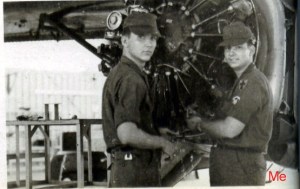
I have attached some photos from Camp Humphreys and my trip to Seoul. I hope this written memory of my 3-day pass to Seoul is worth using.
Warmest Regards,



Post a comment